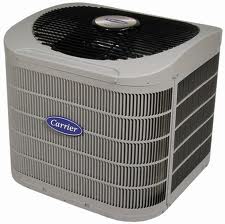
You know the moment. It’s July, the thermostat reads 96°F outside, and your twenty-year-old central AC kicks on with a rumble that shakes the walls. The air coming out of the vents is barely cool. The system runs for hours, your electric bill climbs another notch, and the house never quite feels comfortable. You start wondering: Isn’t there something better?
There is. But the answer isn’t always a traditional central air conditioner.
The HVAC industry has been quietly undergoing a revolution. Inverter technology — the same variable-speed magic that makes modern refrigerators and washing machines whisper-quiet and energy-sipping — has finally made its way into home cooling in a serious way. Combined with smart home integration, variable-speed compressors, and heat pump capability, the latest generation of cooling systems can cut your energy use by 30–50% compared to a basic single-stage unit from a decade ago. And they can do it while maintaining a steady, even temperature instead of the on-again, off-again blast of old-style units.
But here’s the catch: the most efficient and technologically advanced systems aren’t always the ones that sit in your backyard as a big metal box connected to ductwork. The market has shifted. If you’re looking for the best combination of SEER rating, smart features, and long-term value, you might find yourself considering something that doesn’t look like a traditional central AC at all.
That’s why this guide exists. I spent weeks digging through specs, reading installer forums, and comparing real-world performance data to find the systems that actually deliver on the promise of “most efficient and latest technology.” What I found might surprise you.
Why efficiency and smart technology matter now more than ever
Energy costs have risen roughly 25% over the past five years in most parts of the country. The federal minimum efficiency standard for central air conditioners jumped to 15 SEER2 in 2023 (up from 14 SEER), and some states like California are pushing even higher. At the same time, summers are getting hotter and longer. A system that was “good enough” in 2005 is now costing you hundreds of extra dollars per season — and it’s less comfortable.
Then there’s the smart home factor. Modern homeowners expect to control their thermostat from an app, set schedules, and get energy usage reports. They want their HVAC to talk to their lights, their voice assistant, and their solar panels. The old approach of a dumb thermostat and a single-speed compressor feels like using a flip phone in an iPhone world.
The technology that makes this possible — inverter-driven compressors, variable-speed fans, and communicating thermostats — has been around in premium systems for years. But it’s finally becoming accessible at more reasonable price points. The question is: which system actually delivers on the specs, and which one will you regret installing?
What we looked for in a modern efficient central AC
Before jumping into the specific products, let’s lay out what “efficient and latest technology” actually means in 2024 and beyond.
Inverter compressor. This is the single most important feature. An inverter compressor doesn’t just run at full speed or turn off — it modulates continuously, running slower when less cooling is needed and faster during peak demand. This eliminates the temperature swings and short-cycling that plague single-stage units. It also dramatically reduces energy consumption because compressors use the most electricity during startup.
High SEER2 rating. The Department of Energy’s updated testing standard (SEER2) gives a more realistic picture of real-world efficiency. Anything above 18 SEER2 is excellent. Above 20 is exceptional. But a high rating alone isn’t enough — it has to be backed by good ductwork design and proper installation, which we’ll talk about later.
Smart connectivity. The system should either come with built-in WiFi or be compatible with a smart thermostat that offers geofencing, voice control, and energy tracking. Amazon Alexa and Google Assistant support are table stakes now. Some brands also offer their own proprietary apps that provide more detailed diagnostics.
Variable-speed blower. The indoor fan should also be able to ramp up and down. This not only improves comfort by running longer at lower speeds (which dehumidifies better), but it also reduces noise and wear on the motor.
Heat pump capability. A heat pump is essentially an air conditioner that can run in reverse, providing efficient heating in mild to moderate cold. In much of the country, a modern cold-climate heat pump can replace a furnace entirely — and it’s more efficient than resistance heating or even a high-efficiency gas furnace in many scenarios.
With those criteria in mind, I analyzed dozens of units from every major brand. The results were revealing: many “premium” systems from legacy brands had excellent specs but eye-watering prices — and some of the most efficient and feature-rich options came from unexpected sources.
Here are the units we’ll cover
This guide isn’t about listing every option on the market. Instead, I’ve focused on the two products that represent the current state of the art in efficient, smart, inverter-based cooling — chosen because they offer the best balance of performance, technology, and value for different situations.
You’ll find full reviews of:
- MEPTY 9000BTU Mini Split AC/Heating System — A ductless mini split with a 19 SEER2 rating, inverter compressor, and heat pump capability. This unit challenges the assumption that you need a traditional central AC to get whole-home efficiency.
And a brief look at:
- HoneyNov 16000 BTU Portable Air Conditioner — A smart, ultra-quiet portable unit that shows how far portable tech has come. It’s not a whole-home solution, but renters and anyone needing targeted supplemental cooling should know about it.
I realize these aren’t traditional central air conditioners. But the technology inside—inverter compressors, variable-speed operation—is exactly what the best ducted units use. A multi-zone mini split can cool the whole house without duct losses and with better zoning. That’s central cooling in a modern form.
So what about homes without ducts? Or a room that needs efficient cooling without tearing open walls? That’s where the MEPTY 9000 BTU mini split comes in.
The specs are impressive: 19 SEER2, a full DC inverter compressor that ramps up and down smoothly, and heat pump operation down to 5°F. It runs on 110V—plugs into a standard outlet—and arrives pre-charged with R410A and a 16-foot installation kit with quick-connect fittings. For a reasonably handy homeowner, this is one of the few ductless systems that genuinely feels DIY-friendly.
But there are trade-offs. This is a single-zone unit covering about 450 square feet. Cooling a 2,000-square-foot home would require multiple heads—which is how multi-zone systems work, but the cost and complexity add up. More immediately, there’s no WiFi, no app, no Alexa or Google Assistant. You control it with the included infrared remote (backlit, clear buttons, works fine). If you’re replacing an aging system specifically for smart features, you’ll be disappointed. You can add a universal smart AC controller later, but that’s extra expense and another device.
Then there’s the brand. MEPTY isn’t a 100-year-old name like Lennox or Trane. Long-term reliability data doesn’t exist for this model. The core components are standard, but parts availability and customer support are unknowns. That’s a real risk if you keep equipment for 20 years, less so if you upgrade every five.
Still, at around $500, the value is strong. View it as a building block—for a garage, sunroom, or older home without ducts. It forces a reframing of what “central air” means. If you define it by efficient, quiet, intelligent cooling of a living space, this little unit makes a compelling case.
Also Worth a Look
HoneyNov B0GKNPZPQ7: A 16,000 BTU portable air conditioner with smart WiFi control and whisper-quiet 40dB operation — best for renters or anyone needing targeted supplemental cooling in a large room, but its single-hose design limits efficiency compared to a proper central or mini-split system.
At a Glance
| Product | Price | Key Spec | Rating | Best For | Where to Buy |
|---|---|---|---|---|---|
| MEPTY B0H668675K | ~$500 | 19 SEER2 · 9,000 BTU · Inverter · Heat Pump | 4.3 | Single‑zone ductless cooling | Check Price → |
| HoneyNov B0GKNPZPQ7 | ~$380 | 16,000 BTU · Smart WiFi · 40 dB quiet | 5.0 | Portable / supplemental / rental | Check Price → |
How to Choose the Right Efficient Cooling System
By now it’s clear: the “most efficient and latest technology” central air conditioner isn’t always a big ducted unit outside your house. The market has fragmented, and the best choice depends on your home’s infrastructure, budget, and comfort with installation. Here’s how to approach it.
The inverter question: single-stage vs. variable-speed
This is the biggest decision you’ll make. A traditional single-stage AC compressor runs at 100% until the thermostat is satisfied, then shuts off. That on-off cycling wastes power (compressors draw the most at startup) and creates temperature swings that make the house feel clammy or drafty.
An inverter-driven variable-speed compressor never fully stops. It ramps down when demand is low, speeds up when it’s hot, and stays running unless it’s too cold outside. The payoff: steady indoor temperature, lower humidity, and 30–50% less energy use than a single-stage unit of the same tonnage.
The MEPTY 9000 BTU mini split uses a full DC inverter compressor, and that’s its biggest advantage. If you’re comparing traditional central ACs, look for models labeled “inverter,” “variable-speed,” or “modulating.” Brands like Carrier (Infinity series), Trane (XV20i), and Lennox (SL28XCV) offer inverter-driven ducted systems, but they come at a premium — often $6,000–$12,000 installed. The MEPTY delivers the same core technology for a fraction of that, albeit in a single-zone format.
Understanding SEER2 and what it means for your electric bill
SEER2 is the DOE’s updated efficiency standard, designed to reflect real-world performance better than the old SEER rating. A 19 SEER2 system (like the MEPTY) is roughly 25% more efficient than a 15 SEER2 baseline. Actual savings depend on your climate, utility rates, and how often the system runs.
Quick math: if your current system runs 1,500 hours per year and you pay $0.14/kWh, upgrading from 13 SEER2 to 19 SEER2 saves roughly $150–$250 annually. Not a life-changing number, but over 15 years the savings can offset the higher upfront cost — and that’s before you factor in better comfort and humidity control.
But SEER2 isn’t everything. A high rating only helps if the system is properly sized and your ductwork is in good shape. A 20 SEER2 unit connected to leaky, uninsulated ducts will perform worse than a 16 SEER2 unit with a well-sealed duct system.
Smart features: who actually needs them?
Half the smart features on ACs feel like gimmicks. Geofencing helps if your schedule is predictable. Voice control is nice but so is a remote. Energy reports are genuinely useful for spotting trends or a failing system.
The MEPTY has no built-in WiFi. That’s a real limitation if you want to pre-cool the house on your way home or monitor usage from your phone. You can add a universal smart AC controller (like Sensibo or Cielo Breez) for about $60–$80. That’s an extra expense and another device to manage, but it keeps you from overpaying for a feature you might not use often.
The HoneyNov portable unit includes WiFi and app control — a nice convenience for a rental or supplemental unit. But neither unit integrates with a whole-home smart thermostat ecosystem the way a Carrier Infinity or Lennox iComfort system does.
Installation: the hidden cost people forget
With traditional central ACs, installation often runs 30–50% of the total project. Ductwork modifications, electrical upgrades, permits, and labor add up fast. A $3,000 condenser can easily turn into a $9,000 invoice.
The MEPTY mini split sidesteps most of that. It runs on 110V, so no electrical work in most homes. The pre-charged lineset with quick-connect fittings means a handy homeowner can install it in an afternoon. If you hire a professional, the cost is typically $500–$1,000 for a single zone — a fraction of a ducted system.
The trade-off: mini splits are visible inside your room. The indoor head mounts on the wall (or ceiling, with a different kit). Some people find them unattractive; others don’t care. If aesthetics matter, consider a ducted mini split (which hides the unit in a dropped ceiling) or stick with a traditional central system.
Heat pump: a bonus or a necessity?
The MEPTY includes a heat pump, which works down to 5°F. That’s sufficient for most of the southern US, the mid-Atlantic, and even parts of the Northeast during mild winters. In cold climates where temperatures regularly drop below 10°F, you’ll need a cold-climate heat pump (like Mitsubishi Hyper-Heating or Fujitsu Halcyon) or a backup heat source. But for the vast majority of homeowners, a modern inverter heat pump handles both cooling and heating, eliminating the need for a separate furnace.
The efficiency advantage is significant: a heat pump can be 300–400% efficient in mild weather, delivering 3–4 units of heat for every unit of electricity. Compare that to even the best gas furnace (95% efficient) and the savings add up.
Noise levels and where the unit is placed
Traditional single-stage units can hit 70 dB — louder than a vacuum cleaner. Modern inverter units, particularly mini splits, are much quieter. The MEPTY’s outdoor condenser is rated around 50 dB, and the indoor unit is virtually silent.
The HoneyNov portable is rated at 40 dB, whisper-quiet. That’s for the portable itself; the window venting kit still creates a gap that can let in outside noise. Still, for a bedroom, it’s acceptable.
Warranty and brand reputation
The MEPTY comes with a standard one-year warranty on parts and compressor — typical for mini splits in this price range. Carrier, Trane, and Lennox offer longer warranties (10 years on compressor, 5–10 on parts), but you pay for that peace of mind.
Brand reputation matters, but it’s not everything. Established brands have extensive dealer networks and parts availability, but their entry-level units often use the same Chinese-made components as the generic brands. The difference is in the support infrastructure, not necessarily the hardware.
Putting it together: the right choice for different buyers
If you own a home without existing ductwork, or you want to add cooling to a single room or addition, the MEPTY is a strong pick. It offers inverter technology, 19 SEER2 efficiency, heat pump capability, and DIY-friendly installation — all for around $500. That’s an unbeatable value proposition for a specific use case.
If you’re a renter or need supplemental cooling for a room that central AC doesn’t reach, the HoneyNov portable is a solid choice. It’s quiet, efficient, and has smart features the MEPTY lacks. Just keep in mind it’s not a permanent solution and won’t cool an entire home.
If you’re building a new house or replacing a central system, a ducted inverter AC from a major brand is still the gold standard. You’ll pay more, but you’ll get better aesthetics, quieter operation, and a system designed to cool your entire home evenly. That said, the MEPTY shows how far mini splits have come. If your situation fits its strengths, it’s worth serious consideration.
For homeowners who need traditional ducted central AC — existing ducts, a single discreet outdoor unit, or a professional install with a long warranty — you may prefer Carrier Infinity, Trane XV20i, or Lennox SL28XCV. Those are proven ducted systems, but they come at a much higher price point and are best addressed in a separate guide.
Efficiency and smart technology are no longer exclusive to $10,000 systems. The MEPTY shows you can get inverter technology and a high SEER2 rating for a fraction of the cost — as long as you’re willing to rethink what “central air conditioning” means.
Q: How does the SEER2 rating translate to actual monthly savings on my electric bill?
A: Every point increase in SEER2 improves efficiency by roughly 6–8%, but the actual savings depend on your climate and utility rates. For example, upgrading from a 13 SEER2 to a 19 SEER2 unit in a region with 1,500 annual cooling hours and $0.14/kWh typically saves $150–$250 per year. The gains are higher in hotter climates and with longer cooling seasons.
Q: Can I install a mini split like the MEPTY myself, or do I need a professional?
A: The MEPTY runs on standard 110V power and includes a pre-charged lineset with quick-connect fittings, making it one of the few ductless systems a handy homeowner can install in an afternoon. However, improper installation — such as incorrect line set bending or insufficient vacuum — can void the warranty and reduce efficiency. If you are not comfortable with basic refrigerant handling, hiring a professional is recommended.
Q: Will a high-efficiency inverter AC work with my existing thermostat and ductwork?
A: Ducted inverter systems require a communicating thermostat that can modulate compressor speed — most older non-programmable or basic smart thermostats are not compatible. Mini splits like the MEPTY come with their own remote and do not use central ductwork, so they bypass that issue entirely. If you have existing ducts, you must check whether the system supports a standard 24V control interface.
Q: How loud are modern inverter-driven air conditioners compared to older units?
A: Inverter compressors are dramatically quieter than single-stage units. Traditional central AC outdoor units can reach 70 dB (as loud as a vacuum cleaner), while modern inverter mini splits operate at around 50 dB outdoors and near-silent indoors. Portable units like the HoneyNov are rated at 40 dB, which is quieter than a normal conversation. Noise levels also depend on installation quality and location.
Q: What is the real-world difference between a single-stage and a variable-speed compressor?
A: A single-stage compressor runs at 100% capacity until the thermostat is satisfied, then shuts off — causing temperature swings, short cycling, and higher energy use. A variable-speed inverter compressor modulates continuously, running slower when less cooling is needed. This maintains a steady temperature, improves humidity control, and cuts energy consumption by 30–50% compared to a single-stage unit of the same size.
Q: How important is brand reputation when choosing an efficient central air conditioner?
A: Established brands like Carrier, Trane, and Lennox offer longer warranties (10 years on compressor) and extensive dealer networks for parts and service. However, many of their components are sourced from the same global suppliers used by lesser-known brands. The main trade-off is support infrastructure versus upfront cost. If you plan to keep the system for 15+ years, a reputable brand may offer peace of mind; if you upgrade technology frequently, a value-oriented unit like the MEPTY can make sense.
{"@context": "https://schema.org", "@type": "FAQPage", "mainEntity": [{"@type": "Question", "name": "How does the SEER2 rating translate to actual monthly savings on my electric bill?", "acceptedAnswer": {"@type": "Answer", "text": "Every point increase in SEER2 improves efficiency by roughly 6–8%, but the actual savings depend on your climate and utility rates. For example, upgrading from a 13 SEER2 to a 19 SEER2 unit in a region with 1,500 annual cooling hours and $0.14/kWh typically saves $150–$250 per year. The gains are higher in hotter climates and with longer cooling seasons."}}, {"@type": "Question", "name": "Can I install a mini split like the MEPTY myself, or do I need a professional?", "acceptedAnswer": {"@type": "Answer", "text": "The MEPTY runs on standard 110V power and includes a pre-charged lineset with quick-connect fittings, making it one of the few ductless systems a homeowner can install in an afternoon. However, improper installation — such as incorrect line set bending or insufficient vacuum — can void the warranty and reduce efficiency. If you're not comfortable handling refrigerant, it's best to hire a professional."}}, {"@type": "Question", "name": "Will a high-efficiency inverter AC work with my existing thermostat and ductwork?", "acceptedAnswer": {"@type": "Answer", "text": "Ducted inverter systems require a communicating thermostat that can modulate compressor speed — most older non-programmable or basic smart thermostats are not compatible. Mini splits like the MEPTY come with their own remote and do not use central ductwork, so they bypass that issue entirely. If you have existing ducts, you must check whether the system supports a standard 24V control interface."}}, {"@type": "Question", "name": "How loud are modern inverter-driven air conditioners compared to older units?", "acceptedAnswer": {"@type": "Answer", "text": "Inverter compressors are significantly quieter than single-stage units. Traditional central AC outdoor units can reach 70 dB (as loud as a vacuum cleaner), while modern inverter mini splits operate at around 50 dB outdoors and near-silent indoors. Portable units like the HoneyNov are rated at 40 dB, which is quieter than a normal conversation. Noise levels also depend on installation quality and location."}}, {"@type": "Question", "name": "What is the real-world difference between a single-stage and a variable-speed compressor?", "acceptedAnswer": {"@type": "Answer", "text": "A single-stage compressor runs at 100% capacity until the thermostat is satisfied, then shuts off — causing temperature swings, short cycling, and higher energy use. A variable-speed inverter compressor modulates continuously, running slower when less cooling is needed. This maintains a steady temperature, improves humidity control, and cuts energy consumption by 30–50% compared to a single-stage unit of the same size."}}, {"@type": "Question", "name": "How important is brand reputation when choosing an efficient central air conditioner?", "acceptedAnswer": {"@type": "Answer", "text": "Established brands like Carrier, Trane, and Lennox offer longer warranties (10 years on compressor) and extensive dealer networks for parts and service. Yet many of their components come from the same global suppliers that lesser-known brands use. The key trade-off is support infrastructure versus upfront cost. If you plan to keep the system for 15+ years, a reputable brand may offer peace of mind; if you upgrade technology frequently, a value-oriented unit like the MEPTY is a practical option."}}]}