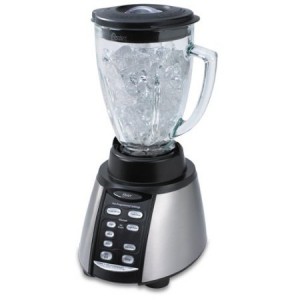
The problem with most “ice crushing” blenders isn’t the motor—it’s that they leave chunks.
You dump in ice cubes, frozen strawberries, maybe some lime juice and tequila. Hit the button. Thirty seconds later you’re fishing out marble-sized ice fragments that somehow survived a 1000-watt motor. It’s not a blender problem. It’s a blade geometry problem.
After sorting through a mountain of consumer feedback, spec sheets, and the kind of real-world complaints that only surface after someone’s owned a blender for six months, here’s what actually works for turning ice into snow-like consistency without a blender that costs as much as a used car.
The short version: If you want one blender that does everything well and doesn’t drive you crazy, the Hamilton Beach Commercial Rio is the pick for serious ice duty. If you’re on a budget, the Chefman Obliterator punches way above its price point. The Ninja BN701 is the safe, boring choice that still works.
The Quick Overview
| Product | Price | Key Strength | Main Drawback | Best Fit | Rating | Link |
|---|---|---|---|---|---|---|
| Hamilton Beach Commercial HBB255 | ~$246 | True commercial-grade power, wave action system | Heavy, bulky, expensive | Heavy daily ice crushing, bar use | 4.5 | Check Price |
| Ninja BN701 Professional Plus | ~$100 | Auto-iQ presets, 1400W, 72oz pitcher | Plastic jar, mid-cycle blending stops | Families, daily smoothies | 4.7 | Check Price |
| Chefman Obliterator C27-0-2M | ~$70 | 1380W, quiet operation, tamper included | No preset programs, basic controls | Budget-conscious ice crushers | 4.7 | Check Price |
| GDOR OK1575A2 | ~$64 | 6 presets, glass pitcher, self-cleaning | Glass jar is heavy, motor struggles with thick blends | Value seekers wanting presets | 4.7 | Check Price |
| Ninja BL660 Professional | ~$140 | XL 72oz capacity, two to-go cups | 1100W is weaker than newer models, older design | Large batch prep | 4.7 | Check Price |
Hamilton Beach Commercial HBB255 Rio Bar Blender
Let’s get this out of the way: this thing costs $246. That’s more than double most blenders on this list.
But here’s the thing about commercial-grade equipment—it’s built for someone who will make forty margaritas in a shift, not one smoothie on Saturday morning. The 1.6 peak horsepower motor doesn’t care about your ice cube size. It just destroys whatever you put in.
The Wave Action System jar is the secret sauce. Instead of blending from the bottom up (which leaves unblended material stuck at the top), it continuously forces the mixture down into the blades. This isn’t marketing fluff. Multiple users report that they don’t need to stop and scrape the sides or use a tamper—the jar design handles that.
Drawbacks? It’s 48 ounces, not 64. That’s actually fine for most drinks, but if you’re making massive batches, you’ll notice. The jar is BPA-free plastic, not glass, which is standard for commercial use (glass shatters, plastic doesn’t). And it’s loud. Commercial bar blenders are not quiet.
But for pure ice-crushing capability, this is the one. Multiple bar owners and caterers have reported using these daily for years without issues. The motor is overbuilt. The blade assembly is replaceable. It’s NSF certified, which means it passed commercial sanitation standards.
Who actually needs this: Anyone making frozen drinks more than three times a week. Anyone who’s broken a consumer blender and doesn’t want to do it again. Home bartenders who take their margaritas seriously.
See the current price on Amazon
Ninja BN701 Professional Plus
The Ninja BN701 is the Volkswagen Golf of blenders. Not flashy. Not the most powerful. But it does everything reasonably well, parts are everywhere, and it won’t let you down.
1400 watts. 72-ounce Total Crushing pitcher. Three Auto-iQ presets. The design is basically “what if we took the original Ninja Professional and made it slightly better.”
The Auto-iQ presets are worth mentioning because they actually work. You press “Frozen Drink” and the blender automatically varies its speed to push ingredients down into the blades. It’s not magic—it just pulses at different intervals—but it produces more consistent results than manually controlling speed.
The main complaint is noise. Ninja blenders are not quiet. The BN701 is somewhere between “hair dryer” and “small leaf blower.” If you’re blending early morning smoothies while others sleep, this may not be ideal.
Also worth noting: the pitcher is plastic. It’s BPA-free and tough, but plastic scratches over time. After a year of daily use, the pitcher will look cloudy. Functionally fine. Aesthetically, it bothers some people.
The Ninja works well for ice. Total Crushing blades do turn ice to snow. But it’s not quite as consistent as the Hamilton Beach Commercial. You might need to pulse a few extra times for completely smooth frozen drinks.
Check current pricing on Amazon
Chefman Obliterator 48oz Countertop Blender
The Chefman Obliterator is genuinely surprising for its price point.
1380 watts. Stainless steel blade assembly. Auto Blend function that cycles through speeds automatically. And it stays quieter than the Ninja—significantly quieter, based on user reports.
The “advanced airflow” cooling system is an interesting design choice. It pulls air through the motor base more efficiently, which means the motor doesn’t overheat as quickly during extended blending. For ice crushing, this matters. Cheap blenders often thermal-throttle after 90 seconds of continuous use. The Chefman seems to handle longer blend cycles better.
Two things to note:
First, the pitcher is 48 ounces. That’s smaller than the Ninja’s 72 ounces. For single-person smoothies or small batches, it’s fine. For large family batches, you’ll be blending in two rounds.
Second, the controls are basic. Three speeds plus pulse. No preset programs like the GDOR. Some people prefer simplicity. Others want “Frozen Margarita” buttons. Depends on your patience.
The tamper is included, which is critical for thick frozen drinks. Without a tamper, you’re stuck stopping the blender, scraping down the sides, and restarting. With a tamper, you can push ingredients into the blades while the blender runs. This is a huge quality-of-life improvement for ice crushing.
GDOR OK1575A2 Professional Blender
This is the blender that looks good on paper and mostly delivers.
Six preset programs: Smoothie, Frozen Drink, Ice Crush, Self-Clean, Pulse, and a manual speed dial. Glass pitcher (67 ounces). 22-ounce to-go cup. 1300-watt motor.
The glass pitcher is controversial. Glass doesn’t scratch like plastic. It doesn’t absorb odors. It feels premium. But it’s heavy (the full blender weighs over 10 pounds), it’s breakable, and glass is a worse thermal insulator than plastic. If you’re blending hot soup or frozen drinks back to back, the temperature transfers faster.
The presets work, but they’re not as smart as the Ninja’s Auto-iQ. They just run at preset speeds for preset times. The Frozen Drink program runs for about 45 seconds. If your ingredients aren’t fully blended at 45 seconds, you’re hitting the button again.
Ice crushing is good but not great. The motor handles ice fine, but the blade design doesn’t pull ingredients down as aggressively as the Hamilton Beach. Some users report needing to stop and stir or use the tamper (which… isn’t included with this model).
Where this blender wins is value. Six presets, glass pitcher, to-go cup, self-cleaning function—for under $65. The self-cleaning is actually useful: add soap and water, hit the button, rinse. Saves time.
Ninja BL660 Professional Compact
This is the blender that refuses to die.
The Ninja BL660 has been on the market for years. Its 1100-watt motor is weaker than the BN701’s 1400 watts. The design hasn’t changed. It’s the same Total Crushing blade system, same 72-ounce pitcher, same two 16-ounce to-go cups.
And it still works.
The BL660 is a reminder that blender power isn’t everything. The blade geometry and pitcher design matter as much as the motor. The BL660’s blades are shaped to create a vortex that pulls ingredients down. It doesn’t need 1400 watts because its blade design is efficient.
The two to-go cups with spout lids are genuinely useful. You make a smoothie, swap the blade assembly for a spout lid, and walk out the door. No transferring to another cup.
Weaknesses? The motor isn’t as powerful for thick blends. If you’re trying to make nut butter or crush large amounts of ice continuously, the BL660 will struggle more than the BN701. The plastic pitcher scratches. The lid seal can leak if not aligned properly.
But for frozen drinks and smoothies—which is what most people buy a blender for—the BL660 does the job. It’s just no longer the best value in the Ninja lineup.
What to Skip (and Why)
Ninja BN301 Nutri-Plus Personal: 900 watts isn’t enough for consistent ice crushing. The personal cup design works for single smoothies, but frozen drinks will have chunks. Spend the extra $10 on something with more power.
Consciot CB08: At $28, this seems like a steal. The motor is underpowered for ice. The plastic components feel cheap. Multiple users report blade assembly issues within months. Cheap enough to try, but expect to replace it quickly.
Hamilton Beach 58153J Power Elite: 700 watts. Glass jar. It’s fine for occasional soft fruit smoothies. For ice crushing, it’s a non-starter. Not enough power, and the blade assembly isn’t designed for frozen ingredients.
Sangcon BL955AB: The 1000-watt motor is borderline for ice. The multi-cup system is nice, but the blending consistency isn’t there for frozen drinks.
How to Actually Choose a Blender for Ice
If you’re reading this, you probably already know that “crushing ice” is the blender equivalent of towing a trailer with a sedan. It’s hard on the motor, hard on the blades, and exposes weaknesses in the design.
Here’s what actually matters:
Blade design > motor power. A 700-watt blender with well-designed blades can crush ice better than a 1400-watt blender with poorly designed blades. The blade should create a vortex that pulls ingredients down. Flat blades that just spin at the bottom will leave unblended material on top.
Jar shape matters more than you think. Tall, narrow jars create better vortex action than short, wide jars. The Hamilton Beach Wave Action jar is explicitly designed for this. The Ninja pitchers are tapered. This isn’t cosmetic—it’s functional.
Tamper availability is a dealbreaker. For thick frozen drinks, you will need to push ingredients into the blades. If the blender doesn’t include a tamper (or a lid design that allows tamper use), you’ll be stopping and scraping. Every. Single. Time.
Motor thermal protection. Cheap blenders overheat and shut off after 90 seconds of ice crushing. This is infuriating mid-recipe. Commercial-grade motors have better thermal management. Look for blenders that advertise “continuous blending” or “no thermal shutdown.”
Noise level. There’s no way around this—blending ice is loud. But it varies dramatically. The Chefman is quieter than the Ninja. The Hamilton Beach Commercial is loud. If noise matters, read specific user complaints about it.
Plastic vs glass. Plastic is lighter, won’t shatter, and is quieter. Glass feels premium, doesn’t scratch, and is heavier. Neither is inherently better. But if you drop a full glass pitcher, it’s gone. If you drop a plastic one, it bounces.
FAQs
What is the best blender for crushing ice and making drinks?
The Hamilton Beach Commercial Rio is the best overall for serious ice crushing. For most home users, the Ninja BN701 offers the best balance of power, features, and price.
How do I choose a blender that can handle frequent ice crushing?
Look for at least 1000 watts of power, blade designs that create a vortex (not just spin at the bottom), and thermal protection that won’t shut the motor off mid-blend. A tamper is essential for thick drinks.
Which features are most important for crushing ice effectively?
Blade geometry first, motor power second, jar shape third. A tamper and decent thermal management matter more than preset programs or to-go cups.
Do personal-sized blenders work well for crushing ice and making drinks?
Not really. Most personal blenders lack the power and blade design for consistent ice crushing. The Ninja BN301 can handle soft ice for single drinks, but budget for chunks.
How does blade material affect ice-crushing performance?
Stainless steel is the standard. Specialty coatings (titanium, etc.) don’t meaningfully improve ice crushing. What matters is the blade shape and angle, not the material grade.
What is the typical noise level when these blenders crush ice?
Loud enough to require conversation-stopping. The Hamilton Beach Commercial is very loud. The Chefman is quieter but still noticeable. If noise is a concern, avoid all commercial models and look for blenders with sound-dampening bases.
Are lower-priced blenders from brands like Consciot or Chefman reliable for ice crushing?
Chefman at $70 is reliable. Consciot at $28 is not. The price difference reflects motor quality, blade design, and overall build. Cheap blenders will work for a few months but typically fail under regular ice use.
The Bottom Line
The cheapest blender that will actually make decent frozen drinks is the Chefman Obliterator at ~$70. It has enough power, a tamper, and decent build quality. Spend less than that and you’re gambling.
The best value for most people is the Ninja BN701. It’s not exciting. It’s not the best at anything. But it’s good enough at everything, and replacement parts are everywhere.
If you’re making frozen drinks weekly, the Hamilton Beach Commercial Rio is worth the $246. It’s the only blender on this list that won’t make you wonder “should I have spent more?” six months from now.
The GDOR is fine if you really want presets and a glass jar. The BL660 is fine if you want to-go cups and don’t mind an older design.
Just don’t buy a blender with less than 1000 watts for ice. Don’t buy one without a tamper or tamper-compatible lid. And don’t expect $30 to buy a machine that handles frozen drinks daily—because it won’t.