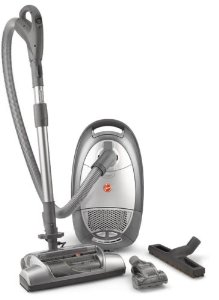
The problem with pet hair on hardwood floors isn’t suction. A $30 shop vac has enough suction to lift a small dog. The real challenge is getting the hair into the vacuum without scattering it across the room, and then keeping it contained without clogging filters every fifteen minutes.
Stick vacuums mostly push hair around. Uprights with spinning brush rolls can scratch delicate floor finishes. Canisters solve this by separating the heavy motor from the wand, making them naturally easier to maneuver on bare floors without fighting gravity.
For 2026, the gap between budget and premium has narrowed in surprising ways. But the decision still comes down to one question: How much maintenance are you willing to tolerate?
This guide covers the practical range. From the budget-friendly Bissell Zing at roughly $80 to the German-engineered Miele units approaching $400. The strongest overall recommendation for pure hardwood performance is the Miele Classic C1 Pure Suction — but it’s not the right choice for everyone.
Miele Classic C1 Pure Suction
Around $300
The Miele Classic C1 Pure Suction exists for a specific reason: hard floors. It doesn’t try to be everything. It doesn’t include a turbo brush for rugs. It doesn’t have a complicated motorized floor head. It just does one thing exceptionally well.
The Parquet XL brush is worth discussing on its own. It’s wide, uses natural bristles, and glides effortlessly without scratching. The floor head articulates well enough to reach under furniture without requiring dramatic wand adjustments. On hardwood, the combination of adjustable suction power and this brush head is noticeably better than anything else in its class.
The sealed HEPA filtration system is the other major selling point. Every bit of air passes through the filter housing. For allergy sufferers with shedding pets, this matters more than raw suction power. The dust stays inside the bag.
The annoyance? No electric hose means the Pure Suction can’t power an electric turbo brush. It handles bare floors and low-pile rugs with the AirTeq floor head, but anything beyond that requires the user to manually switch to a different tool. The six suction settings on the wand are useful but take some practice to adjust mid-clean without looking.
Who buys this: Someone who understands that a vacuum can last fifteen years. The build quality is visibly denser than anything in the budget range. The bags cost money, but they fill less frequently than bagless competitors.
Miele Classic C1 Turbo Team
Nearly $400
The Turbo Team adds the Turbo TE brush. In theory, this uses airflow to spin a beater bar for low-pile carpet. In practice, air-driven turbo brushes on Mieles have a reputation for being temperamental.
When the suction is set too high, the brush locks up and stops spinning. On medium-pile carpet, it stalls entirely. The user has to manually adjust the airflow slider to find the sweet spot. It works well on low-pile Berber and hard floors, but the limitation is worth understanding before spending nearly four hundred dollars.
The Turbo Team shares the same sealed HEPA system and build quality as the Pure Suction. The filtration is excellent. The maneuverability on stairs is superb because the heavy canister stays on the landing while the wand reaches down.
The value proposition is tight at this price. Competitors offer electric power heads for less money. But for owners who want German engineering and the occasional ability to refresh a low-pile area rug, the Turbo Team is a legitimate step up from the Pure Suction.
The caution is simple: do not buy this expecting to deep clean high-pile carpets. It is a hard floor vacuum with a carpet attachment, not the other way around.
Aspiron AS-CA040
Approximately $170
The Aspiron represents the “new guard” of bagged canister vacuums. For around $170, it offers a 1700W motor delivering 45KPA of suction, a 5-liter bag capacity, and auto cord rewind. Bagged vacuums are objectively better for pet hair containment. The hair and dander stay inside the bag instead of being compacted against a mesh filter.
The suction is significant. Almost too significant. The airflow can lift area rugs if the user doesn’t dial back the power. The hard floor tool works well enough, but the real selling point is the hygiene of the bagged system at half the Miele price.
The main drawback is the brand. Aspiron is relatively new. The build quality feels dense and weighted, but it lacks the refined feel of established brands. The dust bags are proprietary (ASIN B0G436MPMD if looking for replacements). Availability in three years is uncertain. The auto cord rewind mechanism is aggressive. The plug whips back quickly if not held properly during retraction.
Who buys this: Someone who wants the allergen containment of a bagged system but cannot justify spending over $300 on a vacuum. It’s a pragmatic choice with some compromises in long-term reliability.
Akitas C11WT
Around $145
The Akitas C11WT is interesting for one specific reason: the included Wessel Werk turbo brush. Wessel is a German manufacturer that supplies attachments for high-end European vacuums. This brush alone is worth roughly $70-80 retail. It handles pet hair on furniture and stairs more effectively than most standard turbo brushes.
The machine itself is competent. 1200W motor, four adjustable suction levels, HEPA filter, 33-foot cleaning radius, and retractable cord. The hard floor parquet brush is wide and has soft bristles that won’t scratch. The canister is lightweight enough to carry up and down stairs without strain.
The concern is durability. The brand “Akitas” doesn’t have a long track record. The plastic housing on the canister feels solid enough for light to moderate use, but there is uncertainty about long-term parts availability and motor reliability.
For someone who understands that the Wessel tool is the real value here, the Akitas makes sense. If the motor dies after three years, the attachments can be used with other standard hose sizes. It’s a calculated bet based on the quality of the included components.
Sanitaire SL3681A
About $140
Ignoring the Sanitaire because it looks like commercial janitorial equipment is a mistake. The SL3681A weighs 10 pounds and uses a bagged sealed system. Suction is rated at 800W, which sounds low compared to the 1700W figures from other brands. But Sanitaire understands airflow. The sealed system means the motor doesn’t waste energy leaking air through gaps.
The cord is long enough to clean an entire floor without switching outlets. The wheels are smooth hard plastic that won’t pick up debris or leave marks on hardwood. The hose is stiff in cold temperatures, which is the primary annoyance. It also lacks a turbo brush for furniture, making it less versatile for pet owners.
The appeal is durability. Sanitaire builds vacuums for daily commercial use. This unit is overbuilt for residential purposes. It will likely outlive every other budget canister in this guide. For hardwood floors only, with minimal need for furniture attachments, the Sanitaire is a reliable workhorse.
Bissell Zing 2156A
Roughly $80
The Bissell Zing is a bagless canister that costs the same as a decent dinner out. It’s lightweight, around 8 pounds. The suction is genuinely good for bare floors. It picks up pet hair quickly and the small dust cup is easy to empty.
The drawbacks are numerous. The included floor head has a brush roll that cannot be turned off. On hardwood, this spins debris sideways. The user has to lift the head slightly to prevent scattering. The handle attachment system is plastic-on-plastic with zero damping, creating a rattle that feels cheap.
Bagless emptying with pet hair creates a dust cloud. The filters clog faster than bagged alternatives. The plastic clips on the handle are thin and prone to cracking over time.
Despite all of this, it works. For $80, it’s a disposable tool that handles pet hair on hardwood well enough. A renter with a single cat will find it perfectly adequate. A multi-dog household with allergies will quickly outgrow it.
Comparison Table
| Product | Price | Key Strength | Main Drawback | Best Fit | Rating | Link |
|---|---|---|---|---|---|---|
| Miele C1 Pure Suction | ~$300 | Sealed HEPA, Parquet XL brush, 15yr lifespan | No turbo brush for carpets | Hardwood priorities, allergy sufferers | 4.4 | Link |
| Miele C1 Turbo Team | ~$400 | Same build + Turbo TE brush | Air-driven brush stalls on med pile | Hardwood + occasional low-pile rug | 4.4 | Link |
| Aspiron AS-CA040 | ~$170 | 45KPA suction, bagged, auto rewind | Proprietary bags, long-term unknown | Value-priced bagged system | 4.8 | Link |
| Akitas C11WT | ~$145 | Wessel Werk turbo brush included | Brand durability uncertain | Furniture + floor combo on budget | 4.4 | Link |
| Sanitaire SL3681A | ~$140 | Commercial durability, 10lbs, sealed | No turbo brush, stiff hose | Strictly hardwood, needs reliability | 4.4 | Link |
| Bissell Zing 2156A | ~$80 | Cheap, light, decent suction | Brush can’t shut off, cheap build | Absolute budget, one small pet | 4.3 | Link |
Buyer’s Guide: What Actually Matters
Bagged vs. Bagless for Pet Hair
Bagged wins for pet owners. Period.
Bagless cyclonic systems compact hair and dander against the mesh filter. When the dust cup is emptied, a cloud of fine particles escapes into the air. For hardwood floors, this means the dander settles back onto the surface you just cleaned. Bagged systems trap everything inside a disposable bag. The seal remains intact until the bag is thrown away.
The trade-off is ongoing cost. Miele bags average $2-3 each and last 2-3 months for a household with pets. Bissell Zing owners don’t pay for bags but replace filters more frequently. The math favors bagged for hygiene, bagless for upfront savings.
Sealed HEPA vs. HEPA-Style
A vacuum can have a HEPA filter but still leak unfiltered air. This is called “bypass leakage.” Miele and Sanitaire seal their systems. Air moves through the filter housing without escaping. Many budget vacuums use the term “HEPA-style” or “HEPA-type,” which means the filter media meets HEPA standard but the housing does not.
For allergy sufferers, sealed HEPA is non-negotiable. For general use, standard filtration is often sufficient.
Floor Heads and Brush Rolls
The brush roll debate matters more than most buyers realize. On hardwood, a spinning brush roll serves no purpose. It can scatter debris and scratch delicate finishes. The best tool for hardwood is a wide parquet brush with soft bristles or felt strips.
Universal floor heads with brush rolls that cannot be turned off are common on budget vacuums like the Bissell Zing. This design choice forces the user to work around the limitation by tilting the head during use. It’s not ideal for hardwood.
Weight and Maneuverability
Canisters are naturally better for stairs because the heavy motor unit stays on the landing. The user only lifts the wand and hose. A lightweight canister under 12 pounds is ideal for multi-story homes.
The Sanitaire weighs 10 pounds. The Miele units are around 11 pounds. The Aspiron is heavier at roughly 14 pounds. The difference matters when carrying between floors.
Cord Length
Pet owners underestimate this. A 20-foot cord means switching outlets every two rooms. A 30-foot cord covers an entire floor without interruption. The Akitas offers 33 feet. The Miele units offer around 30 feet. The Bissell Zing has a shorter cord that limits reach.
FAQ
How do I know if a canister vacuum has attachments for tight spaces like crevices and upholstery?
Check the included tool list for a crevice tool, dusting brush, and upholstery nozzle. Most canisters in this guide include these standard attachments. For pet hair specifically, look for a “turbo brush” or “mini power head” — these use airflow to spin a beater bar for furniture. The Akitas C11WT includes a Wessel Werk turbo brush, which is notably more effective than generic alternatives.
What is the difference in cleaning performance between bagged and bagless canister vacuums for pet hair?
Bagged vacuums maintain consistent suction until the bag is full. Bagless vacuums lose suction as pores in the mesh filter clog with fine dust and pet dander. For hardwood floors with pet hair, bagged systems also trap allergens more effectively during disposal. The bagless Bissell Zing requires frequent filter cleaning to maintain performance.
How does the filtration system (HEPA vs standard) affect allergy sufferers when choosing a canister vacuum?
A sealed HEPA system traps 99.97% of particles down to 0.3 microns. Standard filtration captures larger debris but recirculates fine dust. Miele’s sealed HEPA system is certified and tested. The Aspiron and Akitas include HEPA filters, but buyers should verify whether the housing is sealed or if air can bypass the filter.
What should I consider about maneuverability and weight when vacuuming stairs and multiple floor types?
Look for a lightweight canister under 12 pounds. The Sanitaire at 10 pounds and the Miele units at roughly 11 pounds are ideal. A heavy canister around 14-16 pounds requires more effort to reposition on stairs. Also consider the radius — the distance from the wall outlet to the farthest reach. A 30+ foot cord eliminates the need to switch outlets mid-clean.
How noisy are top canister vacuums from brands like Hoover, Kenmore, and Eureka compared to each other?
Miele units operate at the quietest levels, around 55-60 decibels. The Sanitaire is louder, typical of commercial-grade motors. The Aspiron and budget options produce more noise, often exceeding 65-70 decibels. Noise level correlates with motor power and build density. Heavier, more insulated housings produce less noise. Miele and Sanitaire excel here because they prioritize sound dampening.
The right canister vacuum for hardwood floors and pet hair depends on how much maintenance the owner is willing to accept. Bagged systems from Miele, Sanitaire, and Aspiron offer the best hygiene. Bagless options like the Bissell Zing offer the lowest entry price. The best vacuum in this category is the one that actually gets used every time the dog sheds. A perfect vacuum stored in a closet is less useful than an imperfect vacuum that solves the immediate problem.