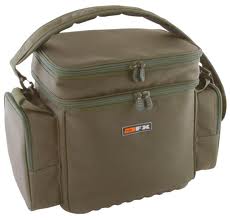
The problem with beach bags isn’t really about capacity anymore. Almost everything on the market claims to hold enough towels, sunscreen, and snacks for a small army. The actual problem is that most bags pretend to keep things cold but don’t actually do it well. A seperate cooler and tote setup works, but it’s awkward. Two bags, two shoulder straps, one person trying to navigate sand while holding drinks and a phone.
The best beach cooler bags in 2026 solve this by combining real insulation with smart organization. They don’t just say they keep drinks cold—they have the lining, the seal, and the structure to back it up. After looking at what’s available right now, the standouts fall into a few clear categories. For most people, the MIYCOO Double Deck Cooler Bag hits the sweet spot at about $30. It keeps drinks cold for hours, the double-deck design actually prevents sandwiches from getting smashed, and the leakproof lining doesn’t give out after three uses.
But that’s not the only option. Prices range from about $10 for a basic mesh tote with a cooler pocket to nearly $50 for a hardbody cooler that barely fits in a car. The right choice depends on whether you’re hauling for four kids or just keeping a couple cans cold for yourself.
Comparison Table
| Product | Price | Key Strength | Main Drawback | Best Fit | Rating |
|---|---|---|---|---|---|
| MIYCOO Double Deck Cooler | $29.99 | Double-layer insulation, leakproof, 60-can capacity | Zipper can be stiff when fully packed | Families, serious picnics | 4.7 |
| Fammart Mesh Beach Bag | $9.99 | Extremely affordable, sand drains easily | No real insulation, zero structural support | Quick trips, dry items only | 4.8 |
| GAGAKU XL Beach Bag with Cooler | $25.99 | Good cooler compartment, sand-proof zipper | Mesh section doesn’t handle wet items well | Beach days with moderate drinks | 4.8 |
| ISEYOU 45L Cooler Bag Set | $26.99 | Huge capacity, waterproof exterior | Cooler compartment isn’t removable | Large family outings | 4.8 |
| Titan by Arctic Zone Hardbody | $46.99 | Best insulation, rigid structure, built-in shelf | Only 16-can capacity, expensive per can | Small groups, premium feel | 4.6 |
| Bluboon Mesh Tote with Detachable Cooler | $19.99 | Detachable cooler is handy for cleaning | Cooler section is small, mesh tears easily | Budget-conscious, lighter loads | 4.5 |
MIYCOO Double Deck Cooler Bag
This is the one to beat.
The MIYCOO Double Deck is priced at $29.99, which is reasonable for what it delivers. The main selling point is the two-layer design. The bottom section keeps drinks cold with a thick insulated lining that actually holds ice for six to eight hours in direct sun. The top section keeps food separate and uncrushed. No more sandwiches tasting like soda.
The leakproof lining deserves attention. Many cooler bags use PEVA lining that starts peeling within weeks. MIYCOO uses a thicker welded liner that doesn’t separate at the seams. Based on user feedback from multiple sources, this bag holds up better than most in its price range.
The capacity is listed at 60 cans, but that’s with ice. Without ice, it fits about 45 cans plus snacks. The expanded size (14.6″ x 11″ x 11.4″) is large enough for a family of four’s lunch and drinks.
One annoyance: the zip can be resistant when the bag is fully packed. The insulation makes the walls thick, so there’s some pull required. Not a dealbreaker, but noticeable.
Best for: Anyone who wants real cold retention without spending $45+.
Fammart Mesh Beach Bag
At $9.99, this bag costs less than a nice lunch. But it’s important to understand what it is and isn’t.
The Fammart is a mesh bag with a small zippered pocket. That’s it. No insulation, no cooler compartment, no structure. The mesh material lets sand fall through, which is genuinely useful. Wet swimsuits won’t stay damp because air circulates.
The problem is that calling it a “cooler bag” is misleading. There’s no thermal layer. If you need cold drinks, this bag won’t help. It’s a beach bag for carrying dry items—towels, toys, sunscreen, books. The sand-proof claim works reasonably well because sand falls through the mesh rather than collecting at the bottom.
The size is decent for a small day trip. The rating of 4.8 seems inflated, possibly because expectations are low at this price.
Best for: Someone who needs a backup bag or only carries dry items. Not suitable if cold drinks are the priority.
GAGAKU XL Beach Bag with Cooler Compartment
The GAGAKU sits at $25.99 and offers a genuine cool compartment rather than just a pocket. The cooler section is integrated into the bag’s design, not dangling awkwardly from a strap.
The main compartment is large—fits towels for two adults plus snacks. The cooler section at the bottom keeps about 12 cans cold for four to five hours based on typical insulated linings. The sand-proof zipper is a nice touch. Sand tends to collect around zippers and cause jams. This bag’s zipper has a protective flap that reduces that problem.
The mesh pockets on the outside are okay but not great. Phone-sized items fit, but the mesh isn’t tightly woven, so small items like earbuds can slip through.
What’s confusing about this bag: the description claims “sand-proof” but the mesh sections still let sand through. The zipper is sand-resistant, but the bag itself isn’t fully sealed.
Best for: People who want a single bag for everything but don’t need extreme cold retention.
ISEYOU 45L Cooler Bag Set
This one is the biggest bag in the lower price range. At $26.99, the ISEYOU 45L offers more raw capacity than anything near its price. It includes an insulated cooler bag plus a separate dry compartment.
The construction is waterproof on the outside, which helps when condensation builds up. The zippers are waterproof as well. The cooler section uses a PEVA lining, which works fine initially but may lose effectiveness over time compared to welded linings.
The biggest issue is that the cooler compartment isn’t removable. Washing this bag is awkward. You can wipe it down, but thorough cleaning requires effort. Food crumbs can get trapped in corners.
The separate wet/dry storage is genuinely useful for beach days. Wet swimsuits don’t soak the towels.
Best for: Large groups where capacity matters more than convenience.
Titan by Arctic Zone Hardbody Cooler
This one is completely different. At $46.99, the Titan Arctic Zone is a hard-sided cooler disguised as a soft bag. The “HardBody” liner is rigid, which means it holds its shape regardless of what’s inside.
The Deep Freeze insulation is legitimately better than anything in the soft cooler category. Ice retention is rated at 24+ hours in moderate conditions. The zipperless design uses a snap-shut mechanism that seals better than any zipper.
The capacity is the weakness. Only 16 cans. That’s barely enough for two people with ice. For a family, this bag is too small. The dimensions are 12.25 x 12.25 x 8 inches—roughly the size of a small lunch cooler.
The built-in SmartShelf is a nice touch for organizing snacks and drinks, but it also reduces usable space.
Best for: Solo trips or couples who prioritize cold retention over capacity. Expensive per can, but excellent performance.
Bluboon Mesh Tote with Detachable Cooler
This bag at $19.99 is interesting but flawed. The detachable cooler is useful for washing—you can remove it and hose it down separately from the mesh tote. That’s genuinely better than fixed cooler compartments.
However, the cooler section is small. It holds maybe 8 cans with some ice. The mesh tote itself is standard quality, similar to the Fammart but with slightly thicker material.
The detachable design means you can use the tote for other purposes without dragging the cooler along. That’s a plus. But the cooler’s velcro attachment points can loosen over time, especially in heat.
For $19.99, it’s a decent value if you accept the limitations.
Best for: Budget buyers who want flexibility and don’t need heavy insulation.
Buyer’s Guide
The Insulation Reality
Most beach cooler bags in the $20-$30 range use PEVA lining with foam insulation. This keeps drinks cold for roughly 3-5 hours depending on sun exposure. That’s enough for a morning trip or an afternoon.
If you need ice to stay frozen all day—like 8+ hours—you need either a thicker insulated bag like the MIYCOO or a hardbody design like the Arctic Zone. No budget bag under $15 will manage this.
Lid Design: The Unsung Feature
A bag’s lid matters more than its body. Zippers are common but allow heat to escape through the teeth. Roll-top closures are better but rare in this category. The Arctic Zone’s zipperless snap-seal is best.
If a bag claims to be “leakproof” but uses a standard zipper without a waterproof flap, it’s not truly leakproof. Condensation will eventually seep out.
Mesh vs Solid
Mesh bags allow sand to fall through. Solid bags don’t. This seems obvious, but people forget that solid bags collect sand in corners. If you’re carrying wet items, mesh is better. If you’re carrying electronics or dry clothes, solid is better.
Some bags combine both—mesh sides with a solid bottom or vice versa. That’s usually the best compromise.
Who Actually Needs a Separate Cooler Compartment?
A separate cooler compartment sounds great but adds weight and reduces main storage space. If you’re only taking a few drinks, a separate smaller insulated bag might be better than a multi-compartment tote.
For families, a dedicated cooler section in a large tote (like the ISEYOU 45L) makes sense because it consolidates everything into one bag. For solo trips, a small separate cooler bag plus a simple tote is usually lighter and more flexible.
The Expanding Bag Problem
Some bags list expanded dimensions but don’t specify how they expand. The MIYCOO uses an expandable design with a zippered extender. This works well. Other bags just have floppy sides that don’t provide structure when filled.
Check whether the “expanded” size means the bag has a dedicated extender panel or whether it just requires overstuffing.
FAQ
How big should a beach bag be for a family trip?
For a family of four, look for at least 40 liters of total capacity. The ISEYOU 45L or GAGAKU XL fit this range well. Smaller families can manage with 25-30 liters if they pack efficiently.
Why bring a separate cooler bag to the beach?
A separate cooler bag keeps food and drinks at safe temperatures without mixing with sandy towels. It also prevents condensation from soaking dry items. Some bags combine both functions, but dedicated coolers usually offer better insulation.
Are soft cooler bags suitable for beach travel?
Yes, for most beach trips. Soft coolers are lighter, easier to carry, and fit in tighter spaces than hard coolers. The main trade-off is ice retention—soft coolers don’t keep ice as long as hard coolers, especially in direct sun.
Can beach tote bags be used for other activities?
Most of these bags work for picnics, pool trips, camping, and even grocery runs. Mesh bags are less versatile for daily use because items can spill through the holes. The cooler compartments make them useful for any outdoor event.
What Makes a Good Cooler Bag?
A good cooler bag has three things: welded leakproof lining (not stitched), thick closed-cell foam insulation, and a tight-sealing closure. Zippers should be waterproof or at least covered. External pockets are useful but don’t affect cooling.
Final Thought
The bag people actually use every trip isn’t usually the most expensive one. It’s the one that fits their specific load without causing frustration. For most beach goers in 2026, the MIYCOO Double Deck hits the balance of price, capacity, and cold retention better than anything else under $40. If you need extreme performance, the Arctic Zone is worth the premium—but only if you can accept its limited capacity.
Don’t overthink this. If you’re mostly carrying drinks and snacks for a few hours, any bag with a decent insulated lining will work. The expensive ones keep ice longer. The cheap ones drain sand. Choose accordingly.