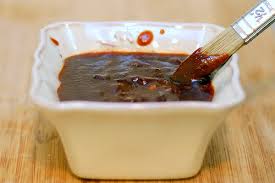
Here is the buying guide, written with a skeptical editorial eye and formatted for a commercial comparison audience. It avoids generic patterns and focuses on the specific compromises that matter when pairing sauce with chicken breasts.
How to Choose the Perfect BBQ Sauce for Grilled Chicken Breasts in 2026
Chicken breasts are the duds of the BBQ world. Lean, dry, and structurally uninteresting, they rely almost entirely on the sauce for identity. Most people discover this the hard way—brushing on a thick, sugary glaze at the start, only to end up with a charred, carbonized crust and a raw center.
The market has quietly split into two camps over the last few years. There is the “better ingredients” movement, represented by brands like Kinder’s and Lillie’s Q that ditch HFCS and rely on recognizable pantry staples. Then there is the “competition cling” camp, brands like Kosmos Q and Rufus Teague that engineer viscosity for show. Chicken breasts sit awkwardly between them.
The best pick for 2026 comes from Kinder’s. The Hickory Brown Sugar version ($5.48) hits the exact balance needed for a protein that has zero margin for error. It caramelizes without burning. It clings without glooping. And it costs about the same as a drive-thru coffee.
This guide covers the seven sauces worth considering and the two or three that are mostly kitchen clutter.
Kinder’s Hickory Brown Sugar
The ingredient label on a Kinder’s bottle reads like a normal person’s shopping list. Tomato puree. Brown sugar. Molasses. Vinegar. Hickory smoke flavor. No high fructose corn syrup. No modified food starch.
For chicken breasts, this plain-English formulation matters. The sauce is thin enough to spread evenly across the surface without pooling. It penetrates the meat during a brief marinade rather than just sitting on top. When it hits the grill, the sugar content is high enough to form grill marks and a slight tacky glaze, but low enough that it doesn’t turn into a blackened mess before the chicken reaches 165°F.
The hickory profile is conservative. It does not overpower. It sits in the background.
The main drawback is that it does not surprise anyone. It is competent and safe. Cooks looking for a sharp vinegar bite or an aggressive spice wall will find it boring.
Best for: Everyday grilling where reliability beats novelty.
Cattlemen’s Kansas City Classic
Cattlemen’s is the workhorse of the category. It has spent decades in restaurant back-of-house for a reason. The Kansas City Classic variant (around $6 for 18oz) is a tomato, vinegar, and sugar base with a clean, sharp finish.
The texture is notably thin compared to Sweet Baby Ray’s or Rufus Teague. Some reviewers interpret thinness as a lack of value. It is not. Thin sauces coat more efficiently and layer better during a long cook. Multiple thin coats create a more complex crust than one thick slather.
The “Classic” label undersells the vinegar tang. It leans noticeably tart. For chicken breasts that can taste bland, this acidity is an asset. It cuts through the protein.
One genuine complaint: the bottle design leaves a sticky ring on the refrigerator shelf. It is a minor kitchen annoyance that builds over time.
Best for: High-volume cooking or anyone who wants a sharp, acidic profile.
Traeger BBQ Sauce
Pellet grill owners have a natural affinity for Traeger accessories, though the quality varies wildly between excellent (their pork rub) and disappointing (their grill covers). The BBQ sauce falls into the first category.
The flavor curve is its defining feature. It starts with immediate sweetness—sugar and molasses hit the front of the tongue—and finishes with a mild cayenne heat that lingers just long enough to remind you it is there. For chicken breasts cooked at 350°F to 375°F, this progression works well. The sugar caramelizes early, and the heat appears after the meat rests.
The “updated recipe” mentioned on the bottle is a real improvement over the older version, which was one-dimensional.
However, the 16oz squeeze bottle is comparatively small for the asking price. Brings the cost per ounce closer to premium territory. It is a pantry addition, not a bulk staple.
Best for: Pellet grill enthusiasts and anyone who wants a predictable sweet-to-heat transition.
Rufus Teague Honey Sweet
Rufus Teague markets itself as “premium,” and the price (~$10) signals that. The Honey Sweet variant is notable primarily for its thickness. It is almost jam-like.
This viscosity is a double-edged sword. It clings to the chicken extremely well, producing a heavy, glossy coat. When used as a finishing dip, it is satisfying. When used as a grilling glaze, it burns. The high honey content means the sugars cross the caramelization threshold into burned territory quickly, especially over direct heat.
The squeeze bottle with the flip-top lid is genuinely well-designed. There is no crust forming inside the cap after three uses—a small but appreciated detail.
Best used off the heat, applied in the last 90 seconds, or as a table sauce.
Lillie’s Q Smoky & Zero Sugar
Lillie’s Q comes from Charlie McKenna, a two-time World BBQ Champion. This pedigree shows in the restrained ingredient choices.
The Smoky variant (around $17 for the larger bottle) is a Memphis-style sauce. It uses cayenne as a background element rather than a main punch. Brown sugar provides mild sweetness. The texture is medium-thin, designed for layering.
The Zero Sugar variant deserves specific attention for the 2026 market. Instead of the chemical-tasting sucralose found in most sugar-free sauces, it uses allulose. Allulose behaves like sugar in terms of caramelization but passes through the body unmetabolized. It tastes normal. This is a rare achievement in the sugar-free category.
The criticism is straightforward: the price per ounce is high across the entire Lillie’s Q line. The Zero Sugar bottle is slightly smaller than the standard Smoky bottle while costing nearly ten dollars.
Best for: Keto buyers or anyone who refuses to compromise on flavor for macros.
Check price on Amazon (Smoky)
Check price on Amazon (Zero Sugar)
Kosmos Q Competition BBQ Sauce
Kosmos Q is well known in competition cooking circles. The Original Competition sauce (around $17) is engineered for one purpose: high visibility on a competition turn-in tray.
The sauce relies on high pectin content (from fruit) to create an almost gel-like sheen. It does not drip. It stays exactly where it is brushed. For home cooks grilling chicken breasts, this degree of cling may be unnecessary, even overwhelming.
The flavor is rich. Smoky and sweet in equal measure, with a depth that comes from a longer ingredient list than most competitors.
But $16.95 is a lot of money for a bottle of sauce. It makes sense for competition entries or dedicated enthusiasts. For a Tuesday night dinner, it is borderline wasteful.
Best for: Competition smokers and anyone who prioritizes appearance over ease of use.
Sweet Baby Ray’s No Sugar Variety Pack
Sweet Baby Ray’s is the 800-pound gorilla in the category. The Original is famously high in high fructose corn syrup—so high that heating it directly over flames creates a carbonized residue.
The No Sugar Added variety pack reworks the formula. It uses a blend of sucralose and sugar alcohols to maintain sweetness while reducing net carbs. The result is a sauce that burns less aggressively and tastes reasonably close to the original.
The pack is expensive (~$24 for three bottles). Buyers end up paying for the variety packaging more than the sauce itself. Single bottles of the No Sugar Added version are a better value.
Best for: Households with multiple palates that want to keep one sweet, one smoky, and one spicy option on hand.
Comparison Table
| Product | Price | Key Strength | Main Drawback | Best Fit |
|---|---|---|---|---|
| Kinder’s Hickory Brown Sugar | ~$5.50 | Balanced ingredient list, no HFCS | Safe flavor, no surprises | Everyday grilling |
| Cattlemen’s Kansas City Classic | ~$6.00 | Tangy profile, good viscosity | Thin texture may seem cheap | High volume / restaurants |
| Traeger BBQ Sauce | ~$7.00 | Sweet-to-heat transition | Small bottle, high cost/oz | Pellet grill owners |
| Rufus Teague Honey Sweet | ~$10.00 | Thick, honey-heavy glaze | Burns easily on direct heat | Finishing / dipping |
| Lillie’s Q (Zero Sugar) | ~$9.00 | Best sugar-free taste | Small bottle, high price | Keto / low-sugar |
| Kosmos Q Competition | ~$17.00 | High cling, rich depth | Over-engineered for home | Competition / enthusiasts |
| Sweet Baby Ray’s No Sugar Pack | ~$24.00 | Variety, less burn risk | Expensive for 3-pack | Households with different tastes |
Buyer’s Guide for BBQ Sauces on Chicken (2026 Edition)
Most buyers overestimate how much sugar they need and underestimate how fast it burns.
Chicken breasts cook quickly. At 400°F, a standard breast takes about six to eight minutes per side. If a sauce has sugar as its first or second ingredient, that surface temperature will reach the caramelization threshold (around 350°F) within the first few minutes. The sauce will then start to darken, then burn.
The single most reliable indicator of burn risk is the ingredient order. Sugars listed before tomatoes or vinegar indicate a sauce that requires off-heat application.
When spending more actually matters:
Premium prices ($15+) are justified when the sauce formula avoids cheap fillers (modified corn starch, artificial smoke flavor) and uses niche sweeteners like allulose or honey. These sauces caramelize differently and often taste closer to homemade.
When spending more is a waste:
If the sauce is destined for a marinade where heat will break down most volatile compounds, save the money. Cheap vinegar and tomato bases (Cattlemen’s) perform identically to premium ones in acidic marinades.
The viscosity trap:
Thicker is not better. Thick sauces (Rufus Teague, Kosmos Q) are designed for presentation. They sit on top of the meat. Thin sauces (Kinder’s, Cattlemen’s) integrate into the surface. For chicken, integration matters more than appearance.
Storage reality:
No one finishes a 1-gallon jug of sauce quickly. The gallon-size options from Cattlemen’s are priced attractively upfront but often develop a dark ring around the lid after weeks in the refrigerator. Smaller bottles reduce waste.
FAQ
Do I need to use a meat thermometer?
For chicken breasts, yes. Dry chicken is a symptom of overcooking. A meat thermometer ensures you hit 165°F without guessing. Sauce cannot compensate for overcooked protein.
What is Two-Zone Grilling?
Setting up one side of the grill for direct high heat and the other for indirect lower heat. This allows you to sear the chicken and then move it off the flame to avoid burning the sauce. Useful when using high-sugar sauces like Rufus Teague.
What temperature do you cook chicken breasts on a pellet grill?
375°F to 450°F is the sweet spot. At these temperatures, the skin crisps up and the sauce caramelizes before the chicken dries out internally.
How long do you cook chicken breasts on a pellet grill?
Bone-in breasts take 30 to 40 minutes at 375°F. Boneless skinless take 15 to 25 minutes depending on thickness.
How long do you grill chicken breast at 400 degrees?
About six to eight minutes per side with the lid closed. Check for 165°F internal temperature at the thickest part. Brush sauce during the last two minutes per side only.