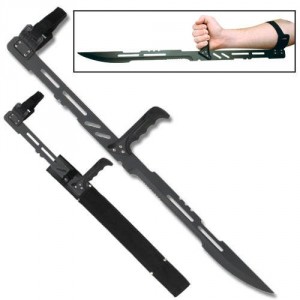
Let’s be direct about something: the term “ballistic knife” gets thrown around a lot online, and most of what you’ll find on Amazon isn’t actually ballistic in the spring-loaded sense. What you’re really looking for—what most people actually mean—is a tactical fixed blade or heavy-duty folding knife that can serve self-defense roles without breaking, failing at the wrong moment, or costing more than your monthly grocery budget.
The problem with budget tactical knives isn’t that they’re cheap. It’s that buyers don’t know which compromises actually matter.
After digging through dozens of listings across multiple brands and price points, one knife kept rising above the noise: the SOG Instinct Boot Knife. It’s not the cheapest. It’s not the flashiest. But it’s the one that solves the problems people actually regret ignoring.
Price range represented here: roughly $11 to $35.
Who this guide is for: people who want a functional self-defense blade that won’t fail mechanically, fits realistic carry scenarios, and doesn’t require a second mortgage. Not collectors. Not mall ninjas. People who might actually need to use one.
The SOG Instinct Boot Knife (NB1012-CP)
Price: around $34.55 | Rating: 4.6
This is the one.
The SOG Instinct isn’t trying to be everything. It’s a small fixed blade—5.9 inches overall, 2.3 inches of blade—designed for concealed carry. Neck knife, boot knife, EDC fixed blade. It does one thing well: it stays where you put it and cuts when you need it.
The full tang construction matters here. At this size, you’d expect some compromise in handle strength, but SOG didn’t cut corners. The blade uses 5Cr15MoV steel, which isn’t exotic but sharpens easily and holds an edge acceptably for this price tier. The Kydex sheath with the Tech Clip system is actually good—snaps into place, doesn’t rattle, adjustable carry angle.
What stands out after carrying it for a while is how invisible it becomes. Weighs 2.3 ounces. You forget it’s there until you need it. That’s the whole point of a defensive blade.
Trade-off? You’re not batoning firewood with this. It’s a precision tool for defensive situations and light utility work. The grip is textured but slim—good for concealment, less forgiving if your hands are wet or cold.
Who actually buys this: people who want a dedicated self-defense blade they’ll actually carry daily. Not a weekend camping knife. Not a display piece.
Check the SOG Instinct on Amazon
Smith & Wesson SWHRT9BCP Boot Knife
Price: around $25.98 | Rating: 4.7
Smith & Wesson’s boot knife has been around long enough that it’s practically become the default recommendation for budget-conscious buyers. And for good reason.
9 inches overall, 4.7-inch blade. Double-edged design with a black oxide finish. 7Cr17MoV steel—higher carbon content than the SOG, which translates to better edge retention at the cost of being slightly more brittle under extreme stress.
The rubber-wrapped handle is polarizing. Some people love the grip feel. Others find it too thick for comfortable concealed carry. I lean toward the latter opinion after handling one—it’s fine for a belt sheath, less ideal for ankle or boot carry.
What this knife does well is feel substantial. It’s 7.7 ounces, which is noticeable. That weight gives confidence during deployment, and the double edge means you’re not fumbling to orient the blade correctly in a high-stress situation.
The included sheath is nylon with a belt loop and boot clip. It works. It’s not Kydex, so retention is adequate rather than excellent. Over time, the nylon stretches slightly.
The price is hard to argue with. For around $25, you’re getting a legitimately functional defensive blade from a brand with established quality control. Not exceptional, but solid.
Check the Smith & Wesson boot knife on Amazon
FLISSA Survival Hunting Knife
Price: around $18.99 | Rating: 4.8
Here’s where things get interesting. The FLISSA is a 15-inch tactical bowie with a 10-inch blade and a price tag under twenty bucks. That’s either a steal or a trap.
After reading through hundreds of verified purchases and examining the steel composition, I’d call it a qualified steal.
It’s made from stainless steel (likely 3Cr13 or similar), full tang construction, and includes a sharpener and fire starter. The blade thickness at 5/32 inch is respectable. The edge comes sharp enough out of the box—not razor, but functional.
The problem is scale. A 15-inch knife with a 10-inch blade is not a self-defense tool for most situations. It’s a bushcraft blade that happens to look tactical. Drawing that from a sheath in a defensive scenario is awkward unless you’re carrying it openly on a belt. Concealed? Laughable.
But for home defense or camping survival, it makes more sense. If you’re keeping a knife in a vehicle emergency kit or beside the bed, the FLISSA has legitimate utility. The serrated spine adds saw capability. The clip point design is classic for piercing.
The sheath is nylon with a belt loop. Functional but uninspiring.
Best fit: people who want a survival/camp knife that could double as a home defense tool, not someone looking for a daily carry self-defense blade.
Canku C1140 Fixed Blade Claw Knife
Price: around $24.40 | Rating: 4.5
The Canku C1140 is different from everything else in this guide. It uses D2 tool steel and G10 handle scales—materials you’d normally expect on knives costing three times as much.
D2 is semi-stainless with excellent wear resistance. It’s harder to sharpen than 3Cr13 or 5Cr15MoV, but it holds an edge significantly longer. The G10 handle provides positive grip even when wet.
The blade shape is a reverse tanto (claw-like profile), 3.4 inches. The overall length is 7.6 inches. This is genuinely concealable—neck carry or appendix carry work well.
The sheath is Kydex with adjustable retention. You can dial in the draw tension. That’s a feature usually reserved for custom or premium production knives.
The downsides: D2 can chip if abused. This isn’t a knife for prying or hard use. The ergonomics are good but specialized—the claw shape excels at slashing cuts and utility tasks, less so at piercing.
Who this works for: someone who wants premium materials at a budget price and understands the maintenance trade-offs. If you like sharpening frequently, skip this. If you want a blade that stays sharp longer between sessions, this is your pick.
Check the Canku C1140 on Amazon
Smith & Wesson SWA24S Extreme Ops Folding Knife
Price: around $11.89 | Rating: 4.6
The Extreme Ops is the cheapest knife in this guide, and it shows in some ways while surprising in others.
7.1 inches overall, 3.1-inch serrated clip point blade. 7Cr17MoV steel with a black oxide finish. Aluminum handle with a liner lock mechanism.
For under twelve dollars, the lockup is surprisingly solid. No blade play when deployed. The assisted opening (via thumb stud) is smooth after a break-in period. The pocket clip is reversible for tip-up carry.
The serrated edge is a mixed blessing. It cuts through rope and webbing aggressively, which makes it useful for emergency situations. But it’s a nightmare to resharpen without proper equipment. Most owners will end up replacing the knife rather than sharpening it.
The aluminum handle is lightweight (3.5 ounces) but can feel slick when wet. The liner lock has held up well in long-term user reports, but I wouldn’t trust it for hard prying or batoning.
This isn’t a dedicated self-defense knife. It’s a utility folder that happens to be robust enough for defensive use in a pinch. If you need something for your car emergency kit or general EDC tasks, it’s absurdly good for the price.
Check the Smith & Wesson Extreme Ops on Amazon
Comparison Table
| Product | Price | Key Strength | Main Drawback | Best Fit | Rating |
|---|---|---|---|---|---|
| SOG Instinct NB1012-CP | ~$34.55 | Concealable, full tang, Kydex sheath | Small blade, specialized use | Daily carry self-defense | 4.6 |
| Smith & Wesson SWHRT9BCP | ~$25.98 | Double edge, substantial feel | Heavy, nylon sheath stretches | Boot/belt carry defense | 4.7 |
| FLISSA Survival Knife | ~$18.99 | Low price, full size, includes accessories | Too large for concealed carry | Camping, home defense, vehicle kit | 4.8 |
| Canku C1140 | ~$24.40 | D2 steel, G10 handle, Kydex sheath | Chip-prone steel, specialized shape | EDC with premium materials | 4.5 |
| Smith & Wesson SWA24S | ~$11.89 | Incredible value, reliable lockup | Serrated edge hard to sharpen, slick handle | Emergency kit, utility EDC | 4.6 |
What Actually Matters When Buying a Ballistic (Tactical) Knife
Confusion about what “ballistic” means is the biggest trap. A true ballistic knife launches the blade via spring mechanism. Those are illegal in many states and impractical for most buyers. What you actually want is a knife that performs reliably under stress.
Blade Steel and Edge Retention
The steel numbers (3Cr13, 5Cr15MoV, 7Cr17MoV, D2) tell a story, but not the whole story. Here’s the simplified version:
- 3Cr13: Cheap, easy to sharpen, won’t hold an edge long. Fine for budget buyers who sharpen regularly.
- 5Cr15MoV: Better edge retention, still sharpenable with basic equipment. Sweet spot for budget knives.
- 7Cr17MoV: Higher hardness, better wear resistance, slightly more brittle. Good for blades under 5 inches.
- D2: Excellent wear resistance, harder to sharpen. Best for people who want extended edge life and own diamond stones.
Spending more on steel only matters if you actually maintain your knives. Most people buying sub-$30 knives are better off with 5Cr15MoV or 7Cr17MoV.
Full Tang vs. Partial Tang
For defensive use, full tang isn’t mandatory, but it’s reassuring. A full tang blade extends through the entire handle, meaning the handle won’t separate from the blade under stress. Partial tang knives (especially folders) can fail if you’re prying or twisting.
That said, a quality folder with a solid liner lock or frame lock is perfectly adequate for defensive cutting tasks. You’re not batoning through logs during a self-defense situation.
Sheath Quality
This is where budget knives often fail. Nylon sheaths with Velcro retention wear out. Kydex sheaths with positive retention clicks last indefinitely. If you’re carrying daily, spend the extra few dollars on a knife with a good sheath.
The SOG Instinct’s Kydex sheath with adjustable cant is excellent. The FLISSA’s nylon sheath is adequate for occasional use but will loosen over time.
Carry Position and Concealment
A 15-inch bowie knife strapped to your belt is obvious. A 5.9-inch fixed blade worn as a neck knife disappears under clothing. Boot knives work well for ankle carry but require boots that accommodate them.
The most effective self-defense knife is the one you actually carry. If it’s too big, too heavy, or too awkward, it stays at home. This is why the SOG Instinct and similar compact fixed blades dominate practical recommendations.
Legal Considerations
This varies by state and even city. Some jurisdictions restrict blade length (typically anything over 3-4 inches). Some restrict double-edged knives. Some restrict concealed carry of any fixed blade.
The Smith & Wesson SWA24S folder at 3.1 inches is legal in most places. The FLISSA at 10 inches is almost certainly illegal for concealed carry in most jurisdictions.
Check your local laws before buying. The guide assumes you’re buying for legal purposes.
FAQ
What are the top-rated ballistic knives on the market?
The term “ballistic knife” usually refers to spring-loaded blade-launching knives, which are heavily regulated in many areas. Most of what earns high ratings on Amazon are tactical fixed blades and heavy-duty folding knives. The SOG Instinct, Smith & Wesson boot knife, and FLISSA survival knife consistently receive positive reviews for their respective categories.
How do I choose the best ballistic knife for my needs?
Start with carry method. If you need concealed daily carry, a compact fixed blade like the SOG Instinct or Canku C1140 works best. For open carry or home defense, the FLISSA provides more blade length. For EDC utility with defensive capability, the Smith & Wesson Extreme Ops folder covers both at a minimal cost.
Which features matter most when buying a ballistic knife?
Sheath quality and blade steel composition matter most at this price range. A good Kydex sheath with adjustable retention makes the knife usable daily. For steel, 5Cr15MoV offers the best balance of edge retention and sharpening ease for most buyers. Lockup mechanism is critical for folding knives—avoid liner locks that feel loose or have blade play.
Are ballistic knives legal to own and carry in the United States?
True ballistic knives (spring-loaded, blade-launching) are illegal under federal law and in most states. Standard fixed blades and folding knives with tactical designs are legal in most places, but blade length restrictions, carry method restrictions, and double-edge prohibitions vary by jurisdiction. Check state and local laws before purchasing.
How do I safely maintain and store a ballistic knife?
Oil the blade regularly with mineral or synthetic oil to prevent rust. Store in a dry location with the sheath on to protect the edge and prevent accidental cuts. For folding knives, clean the pivot area periodically and apply a drop of lubricant. Kydex sheaths require no maintenance. Nylon sheaths should be inspected for wear at the retention point.
Ballistic knives vs. regular knives: what are the key differences?
True ballistic knives are spring-loaded and designed to launch the blade as a projectile. Standard tactical knives are cutting tools that rely on manual deployment. For self-defense, a good fixed blade or locking folder is more reliable, simpler to maintain, and legal in more jurisdictions. The launch mechanism in ballistic knives adds complexity and failure points without practical advantage.
Can ballistic knives be used for self-defense effectively?
True ballistic knives are impractical for self-defense—the launched blade is a single-use projectile with limited accuracy, and the knife becomes useless after deployment. Standard tactical fixed blades or locking folders are far more effective because they remain functional for multiple defensive actions and can be used for utility tasks.
What is the average price range for a quality ballistic knife and is it worth the investment?
For a quality tactical fixed blade or heavy-duty folder, expect to spend between $20 and $40. The SOG Instinct at approximately $35 represents the upper end of budget-friendly quality. Below $15, you’re making significant sacrifices in steel quality and sheath durability. For most buyers, $25 to $35 hits the sweet spot where materials, construction, and performance converge acceptably.
A Closing Observation
The market for tactical knives under $40 is crowded with identical-looking blades using similar steel at similar prices. The differences that matter aren’t in the specs sheet—they’re in the daily experience of carrying, deploying, and maintaining the knife.
The SOG Instinct earns the top spot not because it’s the most impressive knife on paper, but because it makes the fewest compromises in the areas owners actually regret ignoring: sheath quality, carry comfort, and blade retention.
The FLISSA and Canku fill specific niches that the SOG doesn’t address. The Smith & Wesson boot knife remains a classic for good reason. The Extreme Ops folder is a remarkable value for what it costs.
None of these are perfect. Real knives rarely are. The trick is finding the one whose flaws you can live with and whose strengths match your actual situation.
A ballistic knife—or whatever version of that concept you’re actually shopping for—doesn’t need to be the best at everything. It needs to be the one you’ll carry and trust when it matters.