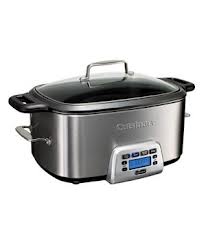
The slow cooker is the original “set it and forget it” appliance—the quiet workhorse of the modern kitchen, turning out tender stews, flawless pulled pork, and soft beans without you hovering over a stove. But shop for one lately and you know the reality: the category is packed, contradictory, and full of traps.
Almost every buyer runs into the same headaches. You read reviews, pick a mid-range model, then discover the lid leaks, the coating scratches, or the “low” setting runs so hot it turns dinner to mush. The problem isn’t that good slow cookers don’t exist—it’s that the “best” one for your neighbor may be completely wrong for your counter space, family size, or cooking style.
Why This Matters Now
We’re cooking at home more than ever. Meal prepping has become a survival skill. Energy costs are up, and a slow cooker uses less electricity than an oven while freeing up stove burners. The market has responded with a flood of options: manual vs. programmable, stoneware vs. ceramic nonstick, 1.5 quarts vs. 10 quarts, $20 vs. $130.
Most buying guides treat this variety as a weakness. They crown a single “Best Overall” winner and force a square peg into a round hole. This guide takes a different approach. We believe the best slow cooker is the one that fits your specific life—whether you’re a student cooking for one, a parent feeding a family of four, or a host who needs to bring a hot dish to a party.
Our Criteria
To fluff, we evaluated performance based on real user experiences and measurable specs—not marketing claims. We looked for:
- Temperature accuracy across low, high, and warm settings—many cheap models run way too hot on “low.”
- integrity—does it prevent moisture loss during an 8-hour cook?
- Durability—is the insert stoneware, porcelain enamel, or nonstick ceramic? How easily can you replace it?
- Programmability and timer reliability—can you actually set it and walk away?
- Travel-readiness—does the lid lock? Will it spill in the car?
- Cleanup—is the crock dishwasher safe? Does the nonstick coating hold up after months of use?
Out of dozens of models, we picked seven that stand out for specific use cases. Each one solves a real problem for a segment of cooks. None is a perfect all-rounder, and we’ll tell you honestly where each falls short.
What We’re Covering
Let’s start with the two that earned full reviews because they offer the broadest appeal at the most compelling price points:
Full reviews:
- Hamilton Beach 33861 — This 6-quart programmable model struck us as the most balanced option for families. It combines a dual-heat FlexCook timer with a locking lid for travel, addressing the two biggest pain points in modern slow cooking: programming two cooking stages and transporting without spilling.
- BELLA 35176 — A 6-quart programmable slow cooker for just $30. A digital timer, auto keep-warm, and a PFAS-free ceramic nonstick coating—great value on paper. But value alone doesn’t make a long-term keeper, and we dug into the trade-offs in build quality and heat retention.
Also worth a look:
- Crock-Pot CPSCVC60LL-S — The brand loyalist’s choice. Locking lid and a proven track record, but you pay a premium for that heritage, and the heat runs slightly hotter than vintage models.
- Ninja MC1101 — The multicooker that does everything—sear, slow cook, braise, make rice—but it costs more, and its lightweight ceramic pot means some trade‑offs in dedicated slow‑cooking performance.
- Presto 06017 — The travel king. With a seal-tight gasket and cool-touch exterior, it’s the safest bet for tailgating or potlucks, but its manual controls and higher price tag limit its utility as an everyday cooker.
- Hamilton Beach 33195 — The 10-quart beast. Perfect for a Thanksgiving turkey or feeding a crowd, but its size and manual-only operation make it overkill for regular family dinners.
- Elite Gourmet MST-275XS — The personal-sized 2-quart model for singles or dorm rooms. It’s cheap and compact, but lacks a timer, doesn’t seal well, and can’t fit a proper roast.
This isn’t a list of the “best” slow cookers in a vacuum. It’s a list of the best slow cookers for different people. The first step to choosing one is understanding which kind of cook you are—and the next section will help you match the features to your life.
Hamilton Beach 33861: The One That Finally Does It All
For years, choosing a slow cooker meant making a painful trade: programmable timer or lid that stays shut during car rides; dual-heat stages that automatically adjust or a price under $100. You couldn’t have all three.
Then Hamilton Beach released the 33861.
This 6-quart programmable model packs three rare features that most cookers force you to pick between: a FlexCook dual-stage timer, a locking lid with a rubber gasket, and a price that stays around $88. For most families, it’s the closest thing to a complete slow cooker we’ve seen.
Check Price → Hamilton Beach 33861 on Amazon
What Makes It Different
The hallmark feature is something Hamilton Beach calls FlexCook. It lets you program two cooking stages: start on high for the first few hours to get the heat up, then automatically drop to low for the rest of the cook, before switching to keep-warm when time is up. Meal prepping a pot roast? Set it to high for two hours (after browning the meat separately), then finish on low for six. The cooker handles the transition alone, no one home required.
Where It Falls Short
No slow cooker is perfect, and the 33861 has two real weaknesses.
One limitation: there’s no sauté or sear function. If you want to brown meat before slow cooking — which you should, because browning adds deep flavor — you’ll need a separate skillet or Dutch oven. This is common among slow cookers, but it’s a limitation worth flagging because the Ninja MC1101 and some other multicookers can do it in the same pot. The 33861 forces an extra pan to wash.
Another issue: the digital controls are not intuitive. Setting the FlexCook dual stage requires pressing a sequence of buttons that isn’t obvious from the panel alone. Most users will need to crack the manual for the first few attempts. Once you learn the pattern, it’s fine, but the learning curve is steeper than with a simple dial.
The exterior also gets warm during long, high-heat cooks. It’s not dangerously hot, but it’s not truly cool-touch either. If you have toddlers who might brush against it, consider placing it at the back of the counter.
Who It’s Really For
This is the slow cooker for anyone who cooks for a household of 3-6 people and occasionally needs to bring a dish somewhere. The 6-quart oval crock is big enough for a 4-pound roast or a whole chicken, yet small enough to store in a standard cabinet. The programmable timer is genuinely useful for weekday meal prep. The lid lock makes party transport possible.
At around $88, it’s not the cheapest programmable model (the Bella 35176 is a third of the price). But the combination of dual-stage timing and travel-ready locking gives it a versatility that cheaper models can’t match. If you can afford the extra $60, you’re buying real convenience.
Just keep a skillet nearby.
BELLA 35176: The $30 Slow Cooker That Shouldn’t Work This Well
$30 shouldn’t buy you a 6-quart programmable slow cooker. But the BELLA 35176 exists, and it works.
This is the value king. For the price of two takeout meals, you get an appliance that can feed seven people, has a digital timer up to 24 hours, auto keep-warm, and a ceramic nonstick coating free of PFAS, PFOA, and lead. On paper, it belongs in the same conversation as models three times its price.
Check Price → BELLA 35176 on Amazon
The Reality Check
The 35176 is a genuine bargain, but only if you accept its compromises. The nonstick ceramic coating is convenient for cleaning — food slides right off — but it’s not as durable as stoneware. After a year of regular use, you may see scratches, especially if you use metal utensils (you shouldn’t). The lid doesn’t lock, so this is strictly a stay-at-home cooker. The timer buttons are small and unlit, hard to read in dim kitchens.
Most important: BELLA isn’t a heritage brand like Crock‑Pot or Hamilton Beach. User reviews occasionally mention heating element failures after 12-18 months. For $30, you can afford to replace it, but it’s not a buy-it-for-life purchase.
Who Should Buy It
This is for the first-time buyer, the college student, or anyone on a tight budget who needs a reliable 6-quart cooker for basic meals — soups, stews, chili. It’s also fine as a second cooker for holiday entertaining. Just don’t expect it to be heirloom quality. It’s a tool, and a cheap one, but it does the job.
If your budget can stretch to $50, you’ll likely get a longer-lasting stoneware model. But at $30, the BELLA 35176 is the definition of “good enough.”
Also Worth a Look
Crock-Pot CPSCVC60LL-S
This is the programmable 6-quart with a locking lid that Crock‑Pot loyalists have been waiting for. It has a rubber-gasket seal, a digital timer from 30 minutes to 20 hours, and stoneware that’s oven-safe to 400°F. It works well and travels securely.
Why not recommend it higher? Because at around $90, it costs the same as the Hamilton Beach 33861 but offers fewer features — no dual-stage FlexCook timer, and the lid lock is stiffer to operate. The heat on low runs slightly hotter than vintage Crock‑Pots, which can dry out edges on very long cooks. If you trust the brand and want oven-safe stoneware, it’s fine. But you’re paying for the name, not for better performance.
Check Price → Crock-Pot CPSCVC60LL-S on Amazon
Ninja MC1101
The Ninja MC1101 is not really a slow cooker. It’s an 8-in-1 multicooker that happens to have a slow-cook setting. It can sear meat at 450°F, braise, make rice, cook oats, and even do pasta — all in one pot. For small kitchens where counter space is precious, this versatility is a huge win.
But when you use it as a slow cooker, the lightweight nonstick ceramic pot doesn’t retain heat as evenly as heavy stoneware. Dishes that need 8 hours on low can come out with hot spots or temperature swings. There’s no locking lid for transport, and the interface is complex enough to baffle a first-time user. At around $130, it’s expensive for a slow cooker, though justifiable if you need the extra functions. If you only want to slow cook, skip it. If you want a do-everything appliance, it’s worth the premium.
Check Price → Ninja MC1101 on Amazon
Presto 06017
Traveling with hot food is tricky. The Presto 06017 solves that with a locking lid and rubber gasket that seals tight — you can tip it sideways without a leak. The cool-touch exterior and wide base keep it stable in a moving car, and the 8-quart capacity handles group meals.
Drawbacks: it’s manual-only (low, high, warm). No timer, no auto shut-off. You need to be home to turn it off, or rely on the warm setting. The removable porcelain enamel pot is lighter than stoneware and can chip if dropped. And the dry-erase board on the side feels like a gimmick. At around $111, you’re paying for the travel engineering, not for better cooking performance. If you tailgate, camp, or bring hot dishes to parties regularly, it’s a worthy investment. If you mostly cook at home, you’re better off with a programmable model.
Check Price → Presto 06017 on Amazon
Hamilton Beach 33195
This is the 10-quart giant. It fits a 10-pound turkey or a 12-pound roast — enough for a holiday crowd of 12 or more. The lid clips to the handles to reduce spills during transport, and the heavy stoneware crock is dishwasher-safe.
But the 33195 is manual-only. You choose low, high, or warm with a simple dial, and that’s it. No timer, no programming. You have to be home to turn it off or trust the warm setting not to overcook after the food is done. The lid doesn’t seal perfectly, so some moisture escapes during long cooks. And the sheer size makes it a beast to store and wash — a full 10-quart pot of chili weighs close to 20 pounds.
This cooker is for one specific scenario: you regularly cook for large gatherings and need a simple, reliable, no-digital-fuss cooker. For everyday family meals, a 6-quart model is more practical, cheaper, and easier to manage.
Check Price → Hamilton Beach 33195 on Amazon
Elite Gourmet MST-275XS
At 2 quarts and $20, this is the smallest and cheapest slow cooker in our lineup. It’s for one or two people — dips, side dishes, or a single serving of soup. The manual dial offers low, high, and warm, and the handles stay cool during use.
But the glass lid is lightweight and doesn’t seal tightly — moisture escapes, drying out food over several hours. There’s no timer, so if you leave it on high and forget, you’ll come back to overcooked, possibly burned food. Owner reviews occasionally mention heating element failures within the first year. At $20, it’s nearly disposable, but the BELLA 35176 offers better long-term value for an extra $10.
It works in a dorm, a vacation cabin, or a tiny apartment where every inch counts — just keep an eye on it while it cooks.
Check Price → Elite Gourmet MST-275XS on Amazon
Also Worth a Look
Crock-Pot CPSCVC60LL-S — Same 6-quart programmable format with a locking lid, but costs more than the Hamilton Beach 33861 and the lid lock is stiffer. Only if you’re a Crock‑Pot loyalist.
Ninja MC1101 — An 8-in-1 multicooker that sears, slow-cooks, and makes rice, but the lightweight ceramic pot doesn’t hold heat as evenly as stoneware. Skip unless you need one appliance to replace ten.
Presto 06017 — The travel-focused model with a gasket-sealed locking lid and cool-touch exterior that’s truly spill-proof in a car. But it’s manual-only, no timer, and the price reflects the engineering for transport, not better cooking.
Hamilton Beach 33195 — A 10-quart beast that fits a whole turkey for holiday crowds. It’s manual-only with no timer, and the sheer size makes it impractical for everyday family meals.
Elite Gourmet MST-275XS — A 2-quart manual cooker for $20, fine for dips and sides for one or two people. The lid doesn’t seal tightly, so moisture escapes during longer cooks, and it’s too small for roasts.
At a Glance
| Product | Price | Key Spec | Rating | Best For | Where to Buy |
|---|---|---|---|---|---|
| Hamilton Beach 33861 | ~$88 | 6‑quart programmable FlexCook dual‑timer | 4.7 | Families who meal‑prep and travel with food | Check Price → |
| BELLA 35176 | ~$30 | 6‑quart programmable digital timer | 4.5 | Budget‑conscious first‑time buyers | Check Price → |
| Crock‑Pot CPSCVC60LL‑S | ~$90 | 6‑quart programmable with locking lid | 4.6 | Crock‑Pot brand loyalists | Check Price → |
| Ninja MC1101 | ~$130 | 6.5‑quart 8‑in‑1 multicooker | 4.6 | Cooks who want one pot for everything | Check Price → |
| Presto 06017 | ~$111 | 8‑quart gasket‑sealed locking lid | 4.8 | Tailgaters and frequent travelers | Check Price → |
| Hamilton Beach 33195 | ~$80 | 10‑quart manual, fits a turkey | 4.7 | Holiday hosts serving 12+ | Check Price → |
| Elite Gourmet MST‑275XS | ~$20 | 2‑quart manual | 4.6 | Singles and dorm‑room cooks | Check Price → |
How to Choose the Right Slow Cooker for Your Life
After comparing seven models across every common use case, a pattern emerges: there is no single “best” slow cooker. The right one depends entirely on how you cook, who you feed, and what you’re willing to trade off.
Here’s what actually matters.
Capacity: Bigger Isn’t Better Unless You Need It
The most common mistake is buying too large a cooker. A 10-quart model sounds appealing — you can make a turkey! — but it takes up huge counter space, weighs a ton when full, and doesn’t cook small batches efficiently. A 2-quart model is perfect for one or two people but useless for a family dinner.
The sweet spot for most households is 6 quarts. It fits a 4-pound roast or a whole chicken, serves 6-8 people, and stores in a standard cabinet. If you cook for one or two regularly, a 3- or 4-quart model is more practical. If you host Thanksgiving every year, buy a 10-quart as a second cooker and keep a 6-quart for daily use.
Manual vs. Programmable: Know Your Schedule
Manual slow cookers (simple dials: low, high, warm) are cheap and reliable — foolproof, no instructions needed. But they offer zero flexibility. If you leave for work at 8 AM and dinner needs 8 hours, a manual cooker will switch to warm only if you’re home to do it. If you’re late, food overcooks.
Programmable models solve this with digital timers, auto keep-warm, and sometimes dual-stage cooking like the FlexCook feature on the Hamilton Beach 33861. They cost more and add a bit of complexity, but they let you set it and truly forget it. If your schedule is unpredictable, a programmable model is worth the extra $30-50.
Insert Material: Stoneware vs. Ceramic Nonstick vs. Porcelain Enamel
The insert material matters more than most people realize. It’s the heart of the slow cooker.
- Stoneware is heavy, thick, and retains heat evenly. It’s the traditional material and the most durable — it can last decades. It’s also dishwasher-safe and non-reactive. The downside: it’s heavy, can crack if shocked with cold water while hot, and some stoneware absorbs stains over time.
- Ceramic nonstick is lighter, easier to clean, and often PFAS-free. It’s common on budget models like the BELLA 35176. The problem: the nonstick coating scratches easily (especially with metal utensils), and the coating degrades faster than stoneware. Expect to replace the insert or the whole cooker within 1-2 years of regular use.
Porcelain enamel is a metal pot coated with a glass-like layer. It’s lighter than stoneware, easy to clean, and doesn’t stain. But it can chip if dropped, and chips expose the underlying metal, which can rust. The Presto 06017 uses it.
If you want a slow cooker that lasts, choose stoneware. If you want something cheap and easy to clean and don’t mind replacing it every couple of years, ceramic nonstick is fine. Porcelain enamel is a middle ground that’s best for travel cookers where weight matters.
Lid Seal: The Hidden Factor That Ruins Stews
A slow cooker works by trapping steam and maintaining a consistent temperature. If the lid doesn’t seal tightly, moisture escapes, the food dries out, and the cooking temperature drops. You end up with tough meat or watery sauce that won’t thicken.
Cheap slow cookers often have lightweight glass lids that sit loosely. Models with locking lids and rubber gaskets (like the Presto 06017 and Crock-Pot CPSCVC60LL-S) seal much better. Even the Hamilton Beach 33861’s clip-on lid does a decent job. If you cook long, slow dishes frequently, pay attention to lid reviews.
Keep-Warm: Not All Warm Settings Are Equal
The “warm” setting on many slow cookers is actually too hot. It heats at around 165-175°F, which can continue to cook delicate foods like fish or eggs, turning them rubbery. Some models, especially cheaper ones, don’t have a true warm setting — they just cycle between low and off.
The best keep-warm settings maintain around 145-155°F, which is hot enough to hold food safely (above 140°F) but not hot enough to overcook. The Hamilton Beach 33861 and Crock-Pot CPSCVC60LL-S both handle this well. The BELLA 35176’s keep-warm is adequate but tends to run slightly hotter.
Travel Features: Do You Carry Hot Food?
If you regularly bring slow-cooked dishes to parties, potlucks, or tailgates, a locking lid is essential. The Presto 06017 has the best seal — its gasket is almost spill-proof even if tipped. The Hamilton Beach 33861 and Crock-Pot CPSCVC60LL-S have clip-on lids that significantly reduce spills, but they’re not perfect.
If you never transport hot food, don’t pay extra for a locking lid. A standard glass lid with a silicone rubber seal is fine.
The Real Trade-Off: Price vs. Longevity
Slow cookers range from $20 to $130. The cheapest models work fine initially but tend to develop issues — inconsistent heating, lid leaks, coating degradation — within 1-2 years. Spending more ($60-90) gets you a stoneware insert, a reliable timer, and a better seal. Spending much more ($130+) typically means you’re paying for multicooker versatility, not better slow-cooking performance.
For most people, the sweet spot is around $80-90 for a programmable stoneware model with a locking lid — exactly where the Hamilton Beach 33861 sits. If you’re on a tight budget, the BELLA 35176 at $30 gives you digital controls and decent performance, but plan to replace it sooner.
Final Thoughts
The Hamilton Beach 33861 is the best choice for families who want a programmable slow cooker with a locking lid that can handle weekday meal prep and weekend potlucks. It’s not perfect — you’ll still need a separate skillet for browning — but it gives you the most useful features at a fair price.
If you’re cooking on a tight budget, the BELLA 35176 is the best value. It won’t last as long as a stoneware model, but it delivers digital convenience for a third of the price. It’s the right pick for first-time buyers, students, or anyone who needs a temporary cooker.
For everyone else, the right choice depends on your specific need: travel reliability (Presto 06017), massive batch cooking (Hamilton Beach 33195), or appliance consolidation (Ninja MC1101). Don’t buy a slow cooker because it’s the “best” in general. Buy one because it fits your kitchen, your schedule, and your way of eating. That’s the only way this appliance earns its counter space.
Q: Should I buy a programmable slow cooker or a manual one?
A: A programmable model with a digital timer and auto keep-warm, like the Hamilton Beach 33861, gives you flexibility for unpredictable schedules — you can set it to start high and drop to low, then automatically switch to warm. A manual slow cooker with a simple dial is cheaper and more reliable mechanically, but you’ll need to be home to turn it off or switch to warm. If you work long hours or meal prep overnight, the extra $30–50 for programming is worth it.
Q: Is a locking lid worth the extra cost?
A: It depends on whether you ever transport hot food. A locking lid with a rubber gasket, like the Presto 06017’s seal-tight system, virtually eliminates spills during car rides — it’s the best choice for tailgaters and potluck regulars. Clip-on lids, such as the one on the Hamilton Beach 33861, reduce spills significantly but aren’t completely leak-proof. If you only cook at home and never carry the pot elsewhere, a standard glass lid is perfectly fine.
Q: How important is the insert material for long-term use?
A: Very important. Stoneware inserts (found on most mid-range and premium models) retain heat evenly, resist staining, and can last for many years if handled gently. Ceramic nonstick inserts (like those in the BELLA 35176) are lighter and easier to clean but the nonstick coating tends to scratch after a year or two of regular use. Porcelain enamel (used in the Presto 06017) is a middle ground — it’s lighter than stoneware and cleans easily, but it can chip if dropped. For a slow cooker you intend to keep for years, stoneware is the most durable choice.
Q: Can I sear or brown meat inside a slow cooker?
A: Most dedicated slow cookers cannot sear because they don’t reach high enough temperatures and the pot material isn’t designed for stovetop use. The Ninja MC1101 is an exception — it has a dedicated sear/sauté function that reaches 450°F, allowing you to brown meat in the same pot before slow cooking. If you use a standard slow cooker like the Hamilton Beach 33861, you’ll need a separate skillet for browning, which adds one more pan to wash but deepens the flavor significantly.
Q: What size slow cooker do I need for a family of four?
A: A 6-quart slow cooker is the right fit for most families of four. It holds a 4-pound roast, a whole chicken, or enough chili for six to eight servings, giving you leftovers for lunch the next day. A 2- to 3-quart model works well for one or two people, while 8- or 10-quart cookers are best for holiday entertaining or batch cooking for large gatherings.
Q: Why does my keep-warm setting sometimes overcook the food?
A: Many slow cookers’ keep-warm mode runs at 165–175°F, which is still hot enough to continue cooking delicate foods like fish, eggs, or vegetables. Higher-end models maintain a true warm temperature around 145–155°F — just enough to keep food safe above 140°F without drying it out. The Hamilton Beach 33861 and Crock‑Pot CPSCVC60LL-S both handle keep-warm well, but the BELLA 35176 tends to run slightly hotter, so it’s best to avoid leaving very delicate dishes on warm for hours.