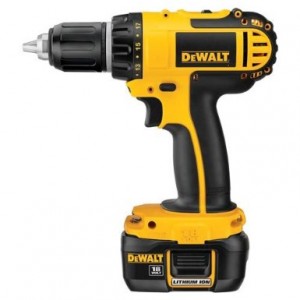
Cordless drills have hit a weird plateau. For under $60, a buyer can pick up something that would have looked like a professional tool five years ago. For over $100, they are paying for runtime, durability, and ecosystem longevity rather than raw drilling ability. The price compression in the budget segment is brutal. $45 Black+Decker drills handle most light work fine. The gap between a $59 Craftsman and a $99 DeWalt is smaller than the gap between the $99 DeWalt and the $170 DeWalt combo. Understanding where the diminishing returns start is the whole point of this guide.
This guide leans heavily on brands that have proven they stand behind their batteries. DeWalt, Craftsman, and Ryobi dominate the recommendations because their 20V and 18V systems are everywhere. Black+Decker fills the absolute budget slot.
If the goal is a single great drill without committing to future purchases, the DeWalt DCD777D1 is the sweet spot. For anything involving masonry or sustained heavy use, the DeWalt DCD806B hammer drill handles it without complaint. For the cost-conscious, the Craftsman CMCD700C1 is surprisingly close to the DeWalt experience. The best cordless drills for 2026 aren’t radically different from the best in 2023, but the value thresholds are sharper.
Quick Comparison
| Product | Price | Key Strength | Main Drawback | Best Fit |
|---|---|---|---|---|
| DeWalt DCD806B | ~$121 (Tool) | Most powerful, anti-rotation, metal chuck | Expensive with battery/charger | Pros, heavy masonry |
| DeWalt DCD777D1 | ~$99 | Brushless runtime, compact size | Plastic chuck collar, weak belt clip | Best all-rounder |
| Craftsman CMCK200C2 | ~$99 | Great value combo kit | Small 1.5Ah batteries | Best overall value bundle |
| Craftsman CMCD700C1 | ~$59 | 90% of DeWalt experience for less | Brushed motor, plastic chuck | Budget homeowner |
| Ryobi PCL206B | ~$51 (Tool) | Huge ecosystem, cheap entry | Brushed, tool only | Ecosystem starter |
| BLACK+DECKER BCD702C1 | ~$44 | Lowest price from a major brand | Weak clutch, small 3/8″ chuck | Light IKEA/DIY |
DeWalt DCD806B — ~$121 (Tool Only)
The DCD806B is the current peak of the 20V MAX line for a reason. The brushless motor delivers up to 109% more power than standard brushed drills, and the anti-rotation system is one of the few genuinely useful safety features added to drills in the last decade. It senses a bind and kills the rotation before torque twists the handle out of the user’s grip.
The DCD806B distinguishes itself with the anti-rotation system, which is uncommon in the 20V MAX lineup. When the drill binds, it shuts down instantly rather than letting the handle spin. This is a legitimate safety improvement, especially for overhead drilling or driving large lags into dense wood.
The all-metal chuck is another differentiator. It uses a single sleeve design that tightens firmly and holds bits without slipping. The collar is designed so chips and sawdust don’t jam the mechanism. After extended use, the chuck on the DCD777 or Craftsman can collect debris, making bit changes slightly stickier. The DCD806B’s chuck stays smooth.
For users who already own DeWalt batteries, this is a no-brainer upgrade for framing or drilling into masonry. The all-metal 1/2 inch ratcheting chuck is tight and wobble-free. The ergonomic grip is noticeably less fatiguing during sustained use.
The biggest downside remains the price. The bare tool cost hides the total ownership expense. A 5Ah battery (~$80) and a charger (~$30–50) push the real cost to $230 or more. That is competitive with mid-range hammer drills from Milwaukee or Makita, but it means the DCD806B is competing in a different price class than the rest of this list. For the user who already owns DeWalt batteries, it is a straightforward upgrade. For everyone else, it is an expensive entry point into a niche they might not need.
DeWalt DCD777D1 — ~$99
The DCD777D1 replaces the long-running DCD771 brushed model. The switch to a brushless motor is the headline, and it delivers. Runtime nearly doubles on the same 2.0Ah battery pack. The compact 7.6-inch frame fits into tight spaces without extra effort.
The trade-off that frustrates some buyers is the chuck. It uses a plastic collar over a metal core rather than a full-metal unit. It works fine for general drilling, but heavy side loads can induce slight wobble over time. The belt clip is also a weak point, poorly designed for actual ladder use.
The DCD777D1 is the most balanced recommendation in this guide. The brushless motor delivers 340 UWO of power. This is not the strongest in the lineup, but it is enough for 95% of residential work. The tool handles 1-inch spade bits through studs, driving 3-inch deck screws, and mixing thinset in small batches.
The runtime improvement over the brushed DCD771 is significant. A single 2Ah charge drives roughly 150 3-inch screws into pressure-treated lumber before slowing down. The 771 would struggle to hit 90 on the same battery.
The compromises are mostly ergonomic. The belt clip is a simple stamped metal piece that pivots on the base. It works for hanging the tool on a hook, but it is not designed for climbing. The LED is bright enough for dark cabinets but casts a shadow from the chuck.
The DCD777D1 is the answer for someone who wants a single drill that will not be obsolete or frustrating within a year. It earns the price difference over the Craftsman through longer runtime and lower vibration.
Craftsman CMCK200C2 — ~$99 (Combo Kit)
The Craftsman CMCK200C2 combo kit solves a problem: having to choose between a drill and an impact driver. It includes both for what the DeWalt DCD777 costs alone.
The CMCD700 drill is a brushed unit with 280 UWO of power. It is adequate for drilling and driving, but it lacks the runtime of brushless competitors. The CMCF800 impact driver is the real value here. 1,460 in-lbs of torque is strong enough for framing and long lags. The impact driver alone justifies the kit price.
The CMCK200C2 combo kit is the value winner of this guide. It delivers two tools for what the DCD777D1 costs alone. The impact driver (CMCF800) is the standout piece. It delivers 1,460 in-lbs of torque, which is enough to drive long structural screws without stalling. The drill is adequate for drilling and light driving, but it lacks the runtime and smoothness of the DeWalt brushless motor.
The included 1.5Ah batteries are a compromise. The impact driver drains a 1.5Ah pack quickly under sustained use. Users tackling larger projects should budget for a 4Ah battery upgrade. The bag is a molded base soft case with heavy zippers, better than the standard cloth bags from other brands.
The main trade-off is that both tools are brushed. This means shorter runtime and faster heat buildup under load. For intermittent use, this is not a problem. For continuous construction work, the brushed motor will overheat faster and wear out sooner.
For a new workshop or someone moving between a drill and impact driver, this kit is the cheapest way to get a capable pair of tools.
Craftsman CMCD700C1 — ~$59
The CMCD700C1 deserves attention mostly because its parent company also makes DeWalt. It is not a rebadge, but the engineering DNA is shared. The 1/2 inch keyless chuck, the 24-position clutch, the two-speed gearbox—they all work exactly as expected.
The brushed motor is the obvious cost-cutting measure. For the homeowner driving screws into studs and drilling the occasional hole, the motor does not overheat or lag. The trigger feel is surprisingly smooth for a $59 tool, better than the Ryobi brushed equivalent.
The CMCD700C1 is a clear case of shared engineering between brands. The design influence from DeWalt is visible in the handle shape, the clutch mechanism, and the battery mounting system. It is not a direct copy, but the ergonomic similarities are deliberate.
The motor is a brushed unit delivering 280 UWO. This is sufficient for drilling into wood, drywall, and light metal. It struggles with large hole saws or driving into hardwood without slowing down. The two-speed transmission (0-350 / 0-1,500 RPM) covers general purpose use.
The plastic collar on the chuck is the most obvious cost-cutting measure. It does retain bits reliably, but the collar itself has slight play. This means the bit position is not perfectly concentric under heavy load. For fine woodworking, this matters. For assembling furniture or drilling pilot holes, it is a non-issue.
The battery is a 1.5Ah pack. The charger is a standard trickle charger. The included screwdriver bit is basic. These are budget compromises that buyers should expect at this price point.
This is the answer for someone who needs a drill for the weekend and wants a brand that will not be obsolete next year.
Ryobi PCL206B — ~$51 (Tool Only)
The Ryobi PCL206B is the starter drug for the ONE+ ecosystem. Tool-only, ~$51, and a pathway into over 300 compatible tools. The drill itself is a brushed 18V unit with 515 in-lbs of torque. It handles general work but struggles in dense hardwoods compared to the DeWalt brushless line.
The clutch dial has 24 positions, but the detents feel mushy. The belt clip is badly designed, requiring battery removal to install it. The LED is poorly positioned, throwing a chuck shadow on the work. These are small inconveniences that compound over time.
The Ryobi PCL206B is a drill that exists primarily as a system entry point. The brushed motor produces 515 in-lbs of torque, which is competitive with the Craftsman for light work but noticeably weaker than the DeWalt brushless units. The chuck is the same keyless 1/2 inch design found across the Ryobi lineup.
None of those flaws matter if the goal is a cheap battery platform. The Ryobi ecosystem is the strongest reason to buy this drill. Users can pick up a circular saw, sander, or trimmer without buying new batteries. For anyone building a tool collection, the drill is just the entry point.
BLACK+DECKER BCD702C1 — ~$44
Black+Decker is the budget arm of the same company that owns DeWalt. The BCD702C1 makes the trade-offs visible. The clutch has only 11 positions. The chuck is 3/8 inch, not 1/2 inch, limiting bit selection. The battery is small, and the charger is slow.
The trigger has significant dead travel before engagement. The clutch feels less like a precision tool and more like an on/off switch with a slight hesitance.
The BCD702C1 is the entry point for the 20V MAX system. Its 11-position clutch, 3/8 inch keyless chuck, and single-speed transmission (650 RPM) represent the minimum viable specification for a modern cordless drill.
The trigger has a significant dead zone before engaging, making variable speed control less intuitive than the other drills in this guide. The clutch stops are poorly defined, making it difficult to find the exact setting needed.
The integrated bit holder on the side of the tool is a thoughtful addition for small projects, though it rattles during use. The LED light provides enough illumination for dark corners.
This drill is best suited for assembling flat-pack furniture, hanging lightweight shelves, and drilling small holes in drywall. It is underpowered for any task involving pressure-treated lumber, metal drilling, or large fasteners. For its niche, it works exactly as expected.
Buyer’s Guide: What Actually Matters
Battery Ecosystem is the Real Investment
The battery platform is the most expensive part of the system over time. DeWalt 20V MAX batteries are backward compatible with all tools in the line. Ryobi ONE+ has maintained compatibility for over 20 years. Craftsman V20 is newer but shares compatibility across its expanding lineup. Black+Decker 20V MAX is the most basic but offers the lowest replacement cost.
The biggest mistake in buying a cordless drill is ignoring the battery system. A drill lasts a few years. The battery platform lasts a decade.
Brushless vs. Brushed Motors
Brushless motors use electronic commutation instead of physical brushes. This eliminates friction, heat, and wear. The result is longer runtime (up to 50% more), higher torque at low speeds, and longer motor life. Brushed motors are simpler and cheaper to manufacture. They are adequate for occasional use but wear out faster under continuous load.
The DeWalt DCD777D1 is brushless. The Craftsman and Black+Decker models are brushed. For heavy regular use, brushless is worth the premium. For a few projects a year, brushed is fine.
Chuck Quality and Size
A 1/2 inch chuck accepts larger drill bits for hole saws and spade bits. A 3/8 inch chuck is limited to smaller bits. Metal chucks hold bits more securely and resist wobble. Plastic collars are lighter and cheaper but degrade over time.
The DeWalt DCD806B has an all-metal chuck. The DCD777D1 has a plastic collar over a metal core. The Black+Decker uses an all-plastic 3/8 inch design. This is a compromise buyers should understand.
Clutch Positions
More clutch positions give finer control over screw depth. 24 positions are standard on most drills today. 11 positions (as found on the Black+Decker) are limiting. The clutch disengages the drive when the preset torque is reached. Lower settings are for small screws in soft materials. Higher settings are for structural fasteners.
Hammer Drill vs. Standard
A hammer drill adds a percussive action to the rotation for drilling into masonry. The DeWalt DCD806B is a hammer drill. For most woodworking and general construction, a standard drill is lighter and more versatile. Hammer drills are louder and heavier. Only buy one if masonry work is a regular task.
FAQ
What does a clutch do on a cordless drill?
The clutch limits the rotational torque transmitted to the screw head. Lower settings stop the rotation early to prevent overdriving or stripping. More settings give finer control. The Black+Decker’s 11-position clutch is a clear downgrade from the 24-position clutches on the Craftsman and DeWalt models.
Is it worth buying a drill without a battery?
A bare tool is only economical for buyers who already own compatible batteries and chargers. The Ryobi PCL206B and DeWalt DCD806B are tool-only. For a first-time buyer, the upfront cost of adding a battery and charger usually makes a kit a better deal.
Do I need a hammer drill?
A hammer drill combines rotation with a hammering motion designed for masonry. For occasional brick or concrete anchors, a standard drill with a masonry bit is often sufficient, though slower. The DeWalt DCD806B is a hammer drill. For frequent masonry work, it is a valid upgrade. For drywall and wood, it is unnecessary.
Are more expensive drills actually better for home use?
Not always. The ~$44 Black+Decker will assemble furniture. The ~$99 DeWalt will build a deck. The difference is runtime, durability, and how the tool feels after an hour of use. For projects measured in hours rather than minutes, the premium tools justify their price through reduced fatigue and fewer interruptions. For weekend warriors, the budget options are usually sufficient.
What is the difference between the Craftsman and DeWalt V20 systems?
Both are made by Stanley Black & Decker. The battery packs are not mechanically cross-compatible. DeWalt