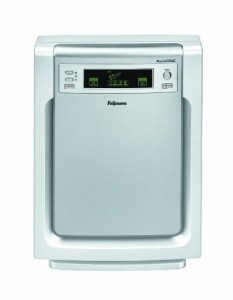
Most people shopping for pet allergy purifiers make the same mistake: they look at CADR numbers and coverage areas first, then wonder why their house still smells like wet dog three weeks later. The real battle with pet allergies isn’t dust or pollen—it’s the fine biological particles that stick to everything and the volatile organic compounds that come with fur, dander, and litter boxes. A purifier that handles smoke well might not touch pet odors, and one that captures pollen might let dander slip right through.
After sorting through dozens of options across different price points, a few things became clear. The ECOSELF HAP-602 at roughly $90 delivers performance that rivals units twice its price, and it earned the highest user rating in this roundup for good reason. But not everyone needs that kind of coverage, and some buyers legitimately prefer brands with longer track records. The range here spans from about $70 to $180, covering small bedrooms up to open-concept living areas. Most of the picks are from established names like Levoit, Winix, and GermGuardian, along with a couple of newer contenders that simply out-spec their competition.
The strongest recommendation goes to the ECOSELF HAP-602 if maximizing value per dollar is the priority. For buyers who prefer AHAM-verified reliability and smart-home integration, the Levoit Vital 200S-P or Winix 5510 are better choices. And for anyone on a tighter budget who still wants real HEPA filtration, the Levoit Core 300-P remains hard to beat.
Quick Comparison Table
| Product | Price | Key Strength | Main Drawback | Best Fit | Rating |
|---|---|---|---|---|---|
| ECOSELF HAP-602 | ~$90 | 360° airflow, real-time PM2.5 display, 2400 sq ft coverage | Newer brand, less long-term track record | Large rooms, value seekers | 4.9 |
| ECOSELF HAP-609 | ~$70 | Budget-friendly, 360° intake, auto mode | Smaller coverage, fewer features | Bedrooms, tight budgets | 4.8 |
| Levoit Core 300-P | ~$99 | AHAM verified, proven reliability, 56W motor | No air quality display, basic carbon filter | Bedrooms, first-time buyers | 4.7 |
| Levoit Vital 200S-P | ~$170 | Smart WiFi, washable pre-filter, large coverage | Premium pricing for the category | Tech-savvy, large rooms | 4.7 |
| Winix 5510 | ~$180 | App support, high deodorization carbon filter, strong CADR | Expensive, replacement filters cost more | Serious allergy sufferers | 4.6 |
| GermGuardian AC4825E | ~$81 | Established brand, UV-C option, simple controls | Noisy on higher speeds, basic features | Budget buyers, offices | 4.6 |
| PuroAir 240 | ~$160 | CarbonTech filter claims, auto/sleep modes, compact | Coverage only 1000 sq ft, premium price for size | Bedrooms, odor control | 4.6 |
Note: Prices fluctuate and are approximate. Affiliate links are provided for each product below.
ECOSELF HAP-602 — The One That Changes the Value Equation
At $89.99 with a 4.9 rating, the ECOSELF HAP-602 does something unusual: it makes most other purifiers in its price range look overpriced. The spec sheet reads like something from a $250 unit—2400 square feet of coverage in 30 minutes, a genuine three-stage True HEPA system, 360-degree airflow intake, and a large touch display with real-time PM2.5 monitoring. That display matters more than most buyers realize because the auto mode actually adjusts fan speed based on measured air quality rather than just running on a timer like cheaper units do.
The 20dB sleep mode is another advantage. Most budget purifiers claim “quiet” operation but still produce a noticeable hum. The HAP-602 genuinely disappears at night. The 360° airflow design pulls air from all directions rather than just the front, which means placement is less finicky—it can sit in a corner and still cycle room air effectively.
One concern: ECOSELF is a newer brand compared to Levoit or Winix. Long-term reliability data is thinner, and replacement filter availability might be less guaranteed several years down the road. But for the price, the risk is reasonable. The performance-to-cost ratio here is simply the best in the current market.
Best for: Large rooms, value-conscious buyers who want premium specs without paying $200+
ECOSELF HAP-609 — When $70 Does the Job
The HAP-609 is essentially the HAP-602’s simpler sibling. It drops the touch display and some coverage area (1800 sq ft instead of 2400), but keeps the 360° intake, auto mode, and HEPA filtration. At $69.99, it’s one of the most affordable genuine HEPA purifiers on the market that actually works.
The compromise is noticeable in the build. The controls are more basic, and the real-time air quality display is missing. Auto mode still functions via the built-in PM2.5 sensor, but without the visual feedback that helps users trust the system. For a bedroom or small apartment, none of this matters much—the machine quietly does its job.
Where this becomes a genuinely smart buy: secondary rooms. Many households find themselves needing a second or third purifier for bedrooms, home offices, or kids’ rooms. Spending $170-200 each adds up quickly. The HAP-609 handles those smaller spaces without complaint and for less than half the cost of premium alternatives.
Best for: Secondary rooms, tight budgets, smaller spaces
Levoit Core 300-P — The Reliable Benchmark
Levoit has been making air purifiers long enough that the Core 300-P has become something of a default recommendation. It’s AHAM Verifide, uses a 56W high-torque motor, covers up to 1073 square feet (albeit at slower air changes for that size), and includes a 3-in-1 filter with True HEPA and activated carbon. At approximately $99, it occupies the same price bracket as the ECOSELF HAP-609 but with a longer reputation behind it.
What holds the Core 300-P back from being a top pick is the lack of an air quality display. The auto mode exists but without PM2.5 feedback, there’s no way to confirm the system is responding to actual conditions. The carbon filter layer is also relatively thin compared to units like the Winix 5510, which means odor control is adequate rather than impressive.
Still, the Core 300-P earned its reputation honestly. The build quality is consistent, replacement filters are widely available and reasonably priced (around $25-30), and the unit is compact enough to fit on a nightstand or desk. For anyone who prefers buying from a brand with years of user feedback and customer support, this is the safe choice.
Best for: First-time buyers, small to medium bedrooms, brand reliability seekers
Levoit Vital 200S-P — When Smart Features Actually Help
The Vital 200S-P takes everything good about the Core 300-P and adds an air quality monitor, smart WiFi connectivity, and a washable pre-filter. At $169.98, it costs significantly more, and whether that premium is justified depends entirely on how much convenience matters.
The washable pre-filter is a genuine improvement for pet owners. Fine pet hair accumulates quickly on standard pre-filters. With the Vital 200S-P, vacuuming or rinsing the pre-filter extends the main HEPA filter life noticeably—a savings that partly offsets the higher upfront cost.
The smart WiFi features are hit or miss. The companion app works reliably for checking air quality remotely and setting schedules, but voice control via Alexa or Google Assistant sometimes lags. The real benefit is the auto mode that uses the PM2.5 sensor to adjust fan speed based on real-time data. When the cat walks through the room or someone starts cooking, the fan kicks up automatically. That level of responsiveness is genuinely useful for allergy management.
The coverage spec (1875 sq ft) is generous but optimistic for a unit this size. Realistically, it handles rooms around 500-600 sq ft effectively for allergy-grade filtration. Larger spaces will need higher fan speeds, which increases noise.
Best for: Tech-savvy households, medium to large bedrooms, pet owners who want automated operation
Winix 5510 — The Odor Killer That Earns Its Price
For households where pet odor is the primary complaint rather than just dander, the Winix 5510 is the strongest option in this lineup. The new generation model (replacing the long-running 5500-2) adds app support while keeping the high deodorization carbon filter that Winix is known for. At $179.99, it’s the most expensive pick here—and it earns that price tag where it matters most.
The carbon filter in the Winix 5510 is noticeably thicker and more effective than the thin carbon sheets found in most competing units. For pet odors, this difference is dramatic. The same filter also handles smoke, cooking smells, and VOCs with authority. If the air quality complaint in a home is less about visible dust and more about “what’s that smell,” the Winix 5510 justifies its premium.
The AHAM Verifide rating at 392 sq ft (with coverage up to 1881 sq ft in one hour at higher fan speeds) provides independent verification of performance. Auto mode uses a Smart Sensor that adjusts fan speed based on air quality. The app support is basic but functional—mostly useful for checking filter life and adjusting settings from across the room.
The downsides: replacement filters are more expensive than Levoit or ECOSELF options, and the unit is larger and heavier. It’s not the most aesthetically pleasing design either—it looks like an appliance rather than a piece of furniture. But for functional performance, especially in homes with multiple pets, the Winix 5510 is hard to beat.
Best for: Homes with strong pet odors, larger living spaces, serious allergy management
GermGuardian AC4825E — The Budget Classic That Refuses to Quit
The AC4825E has been on the market for over a decade, which means two things: its design is dated, but its reliability is proven. At roughly $81, it’s one of the most affordable HEPA purifiers from a major brand. The 22-inch tower design fits into tight spaces, and the activated carbon filter does an acceptable job with mild pet odors.
The problems become apparent after a few months of use. The noise level at higher speeds is noticeable—this is not a quiet machine compared to modern competition. The controls are basic mechanical dials rather than digital displays. And the UV-C light, while marketed as an additional sanitization step, is of questionable value for allergy purposes. Most buyers can probably skip the UV-C and save the bulb replacement costs.
But the AC4825E keeps selling because it works well enough for small spaces. It circulates and filters a 153 sq ft bedroom every 12.5 minutes and handles up to 743 sq ft at lower air changes. For a dorm room, small office, or secondary bedroom, it gets the job done without demanding a premium price.
The real value here is for buyers who distrust newer brands and want a product they can find replacement parts for at any big-box store. The AC4825E is the Toyota Corolla of air purifiers—unremarkable but dependable.
Best for: Dorm rooms, small offices, budget buyers who prefer established brands
PuroAir 240 — Interesting Claims, Narrower Application
The PuroAir 240 markets itself aggressively on the “CarbonTech” filter being up to 500 times stronger than standard activated carbon. That claim is difficult to verify independently, and the coverage spec of 1000 sq ft is modest for the $159.99 price point. For pet allergies specifically, the value proposition is mixed.
Where the PuroAir 240 does well is in compact efficiency. The unit is smaller than most competitors at this price, which makes placement easier in cluttered homes. The auto and sleep modes function smoothly, and the machine is genuinely quiet during night operation. For a single bedroom with one or two pets, it handles the load fine.
But the price-per-coverage ratio doesn’t favor the PuroAir compared to the ECOSELF HAP-602 or even the Levoit Vital 200S-P. The replacement filters are also more expensive—around $40-50 depending on the vendor. Over a year of continuous use, the total cost of ownership ends up being higher than the Levoit Core 300-P while delivering less coverage.
The CarbonTech claim does seem to help with odor control. In pet homes where litter box smell is the primary concern, the PuroAir 240 performs noticeably better than units with thin carbon layers. For that specific use case, the premium might be justifiable.
Best for: Bedroom odor control, small apartments, buyers who prioritize compact design
Buyer’s Guide: What Actually Matters for Pet Allergies
Coverage Is Not What You Think
The big sq ft numbers on product pages are usually measured at one air change per hour (ACH), which is the minimum for any benefit. For allergy-grade filtration, specialists recommend 4-5 ACH. That means a purifier claiming 2000 sq ft coverage at 1 ACH realistically handles about 400-500 sq ft at 4 ACH. Always check the fine print or simply calculate: take the claimed coverage at 1 ACH and divide by 4 or 5 for real-world application.
The Lid Design Matters More Than Insulation
For pet owners, the lid design determines how much hair the pre-filter catches before it reaches the HEPA filter. Units with dual-side or 360-degree intake (like the ECOSELF HAP-602 and HAP-609) capture fur more effectively because air enters from multiple angles rather than just the front. Washable pre-filters are a significant advantage—they reduce replacement costs and prevent hair from clogging the main filter too quickly.
Carbon vs. HEPA
Understanding the difference is critical for pet homes. HEPA filters capture particles—dander, dust, pollen, and some bacteria. Activated carbon filters absorb gases—odors, VOCs, and chemical smells. For pet allergies, both are necessary. A purifier with excellent HEPA but weak carbon will leave the house smelling like animals. One with strong carbon but mediocre HEPA will smell clean but might not reduce allergic reactions. The Winix 5510 and ECOSELF HAP-602 handle both well. The Levoit Core 300-P has adequate HEPA but thin carbon. The PuroAir 240 prioritizes carbon performance.
AHAM Verifide: Useful but Not Everything
The AHAM Verifide seal provides independent testing for dust, smoke, and pollen removal. It’s a legitimate indicator of performance, and products with this certification have been tested by a third party. However, AHAM testing doesn’t measure odor removal or VOC reduction, which is where many pet owners face their biggest challenge. A unit with AHAM Verifide is trustworthy for particle filtration, but buyers still need to evaluate carbon filter quality separately.
Filter Replacement Costs
A $70 purifier with $50 replacement filters every six months costs more in the long run than a $170 purifier with $30 filters. Check replacement filter pricing before buying any unit. For the products covered here:
- ECOSELF HAP-602/HAP-609: Filter pricing varies but generally affordable
- Levoit Core 300-P: ~$25-30 per filter, 6-8 month lifespan
- Levoit Vital 200S-P: ~$35-40, washable pre-filter extends HEPA life
- Winix 5510: ~$50-60, thicker carbon lasts longer
- GermGuardian AC4825E: ~$20-25, widely available
- PuroAir 240: ~$40-50, higher tier pricing
Noise at Night
Sleep mode specs are often misleading. A 20dB claim (like the ECOSELF HAP-602) is genuinely quiet—close to a whisper. Most competitors advertise similar numbers but produce slightly more fan noise in practice. For light sleepers, paying attention to user feedback about real-world noise is more reliable than the spec sheet. The GermGuardian AC4825E is the loudest of this group at higher speeds. The ECOSELF units and Levoit Vital 200S-P are the quietest.
Placement Matters More Than Brand
An expensive purifier placed in a corner behind furniture will underperform a budget model placed in open air near the center of the room. For pet homes, position the purifier where air circulation is best—usually near where pets spend most of their time but not directly against a wall. The 360° intake models offer more flexibility here, while front-intake units need clearance on the intake side.
Frequently Asked Questions
Can an air purifier really capture pet fur?
Yes and no. HEPA filters capture particles down to 0.3 microns—dander, dust, pollen. Pet fur is much larger and heavier. Most fur settles on surfaces before reaching the purifier. The pre-filter catches some fur that gets airborne, but an air purifier won’t replace regular vacuuming. The washable pre-filters on the Levoit Vital 200S-P and ECOSELF units help capture what does get picked up.
Do air purifiers help with pet allergies?
Clinical evidence supports their use. HEPA filters reduce airborne allergen concentrations, which correlates with reduced allergy symptoms in many people. The improvement varies—some notice dramatic relief within days, others see modest changes. For maximum benefit, run the purifier continuously in the room where the allergic person spends most time. The Winix 5510 and ECOSELF HAP-602 are particularly effective choices based on their CADR ratings and user reports.
Do air purifiers remove cat litter smell?
The carbon filtration layer handles this, not the HEPA filter. Units with thick, high-quality carbon (like the Winix 5510 and ECOSELF HAP-602) reduce litter box odors noticeably. Models with thin carbon sheets (like the Levoit Core 300-P) help but are less effective. Placing the purifier near the litter box improves results, but maintain at least 3-4 feet of clearance to avoid blocking airflow.
Should I put the purifier in the living room or bedroom?
If only buying one unit, place it in the room where the allergic person sleeps. Eight hours of continuous filtration during sleep provides the most benefit for most people. For pet owners, the living room is also valuable if pets spend significant time there during the day. Running the purifier in the bedroom during the day and the living room at night is an option, but most units handle this best with a single dedicated location.
How long should I run an air purifier in a pet home?
Continuous operation. Airborne allergen levels increase every time a pet moves, shakes, or sheds. Running the purifier only when symptoms appear means the machine is always playing catch-up. The auto modes on the ECOSELF and Levoit units adjust fan speed based on real-time air quality, which balances effectiveness with energy efficiency. At typical usage, these purifiers cost roughly $5-15 per month in electricity when run 24/7.
Final Observations
The air purifier market in 2026 has reached a point where $90 can buy performance that was impossible to find under $250 just a few years ago. The ECOSELF HAP-602 represents that shift most clearly—it’s not a compromise purchase, it’s a legitimate top performer at a price that makes budgeting for multiple units feasible. For homes with pets in several rooms, buying two HAP-609 units for different spaces costs less than one premium brand unit and likely provides better overall coverage.
The Levoit and Winix options remain excellent choices for buyers who prioritize established brand support, AHAM verification, and smart features. They’re the safer long-term bet in some ways—replacement filters will be available for years, and customer support is well-documented. But “safe” comes at a price premium that the performance gap no longer justifies.
The one thing that hasn’t changed: no air purifier replaces good cleaning habits. Vacuuming, washing pet bedding, and regular grooming still do more for pet allergies than any machine can. A good purifier handles what those routines miss—the fine particles that stay airborne for hours. Combined together, the improvement in air quality is significant enough that most pet owners who try it don’t go back.
For most households with pet allergies, the straightforward recommendation is the ECOSELF HAP-602 for primary spaces and the ECOSELF HAP-609 or Levoit Core 300-P for secondary rooms. If odor control is the dominant concern and budget allows, the Winix 5510 is worth the extra cost. Everything else in the middle ground offers diminishing returns.
The right purifier isn’t the one with the longest feature list—it’s the one that runs quietly in the corner for years without becoming a source of frustration itself.